How to Choose the Right Gearbox for Servo Motor Applications
Selecting the right Gearbox for Servo Motor applications isn’t just a technical step—it’s a decision that shapes the performance, efficiency, and lifespan of your entire system. In today’s automation-driven industries, where precision and reliability are non-negotiable, the gearbox you choose can either elevate your setup or quietly limit its potential.
At first glance, gearboxes might seem like simple mechanical components. But look closer, and you’ll realize they are the backbone of controlled motion. They bridge the gap between motor capability and application demand, transforming speed into torque, and motion into accuracy.
So how do you choose the right one? Let’s walk through it—carefully, practically, and with a bit of insight that goes beyond the obvious.
Understanding the Role of a Gearbox in Servo Systems
A servo motor is designed for speed, responsiveness, and precise control. However, many industrial applications require higher torque at lower speeds. This mismatch is where the gearbox comes into play.
A gearbox modifies:
- Output speed
- Torque levels
- Direction of motion (in some cases)
- Load distribution
More importantly, it helps maintain system stability and accuracy under varying loads. Without it, even the best servo motor can struggle to deliver consistent results.
Why Choosing the Right Gearbox Matters
Let’s be blunt—choosing the wrong gearbox can lead to inefficiency, overheating, excessive wear, and even system failure.
On the flip side, the right gearbox:
- Enhances precision
- Improves torque output
- Extends motor life
- Reduces energy consumption
- Ensures smoother operation
It’s not just about compatibility. It’s about optimization.
Step-by-Step Guide to Choosing the Right Gearbox
1. Define Your Application Requirements
Before diving into specifications, take a step back and understand your application.
Ask yourself:
- What is the required torque?
- What speed range is needed?
- Is the load constant or variable?
- Are there sudden shocks or vibrations?
- What level of precision is required?
Clarity at this stage prevents costly mistakes later.
2. Calculate Torque and Speed Requirements
This is where engineering meets practicality.
You need to determine:
- Input speed (motor speed)
- Desired output speed
- Load torque
The gearbox ratio is then selected based on these values.
For example, if your motor runs at 3000 RPM but your application needs 300 RPM, you’ll need a 10:1 reduction ratio.
But don’t stop there—always include a safety margin to account for unexpected loads.
3. Choose the Right Gearbox Type
Different gearboxes serve different purposes. Here’s a quick breakdown:
Planetary Gearbox
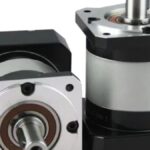
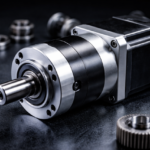
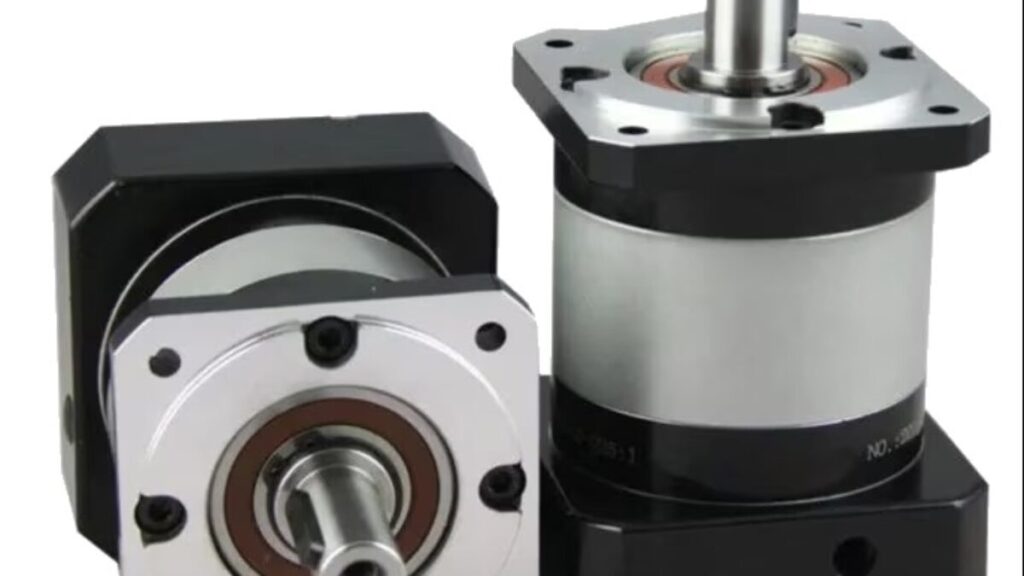
Compact, efficient, and widely used in servo applications. Offers high torque and low backlash.
Helical Gearbox
Smooth and quiet operation. Suitable for continuous-duty systems.
Worm Gearbox
High reduction ratios but lower efficiency. Ideal for self-locking applications.
Harmonic Drive
Extremely precise with near-zero backlash. Best for robotics and aerospace.
For most servo motor applications, planetary gearboxes are the preferred choice due to their balance of performance and durability.
4. Evaluate Backlash Requirements
Backlash is the small gap between gear teeth. In high-precision applications, even a tiny amount can cause positioning errors.
- Low backlash = High precision
- High backlash = Reduced accuracy
If your application involves robotics, CNC machining, or automation systems, go for gearboxes with minimal backlash.
5. Check Gearbox Efficiency
Efficiency directly impacts energy consumption and heat generation.
- Planetary gearboxes: High efficiency (90–97%)
- Worm gearboxes: Lower efficiency
Higher efficiency means less energy loss and better long-term performance.
6. Consider Load Characteristics
Not all loads behave the same way.
- Constant load: Easy to manage
- Variable load: Requires flexible performance
- Shock load: Needs a robust gearbox
If your application involves sudden impacts or frequent starts and stops, choose a gearbox designed to handle dynamic loads.
7. Ensure Proper Mounting Compatibility
A mismatch in mounting can lead to alignment issues, vibrations, and premature wear.
Check:
- Shaft size and type
- Flange compatibility
- Mounting orientation
Seamless integration is key.
8. Analyze Environmental Conditions
This step is often overlooked—but it matters.
Consider:
- Temperature extremes
- Dust or debris
- Moisture or humidity
Choose a gearbox with appropriate sealing and material quality to withstand these conditions.
Gearbox for Stepper Motor: Expanding Your Options
While servo systems dominate high-performance automation, the Gearbox for Stepper Motor is equally important in applications requiring precise incremental motion.
Stepper motors already offer excellent positioning control, but their torque can be limited. Adding a gearbox enhances torque output while maintaining precision.
Common uses include:
- 3D printing
- Textile machinery
- Medical devices
- Packaging systems
For businesses looking for cost-effective yet reliable solutions, stepper motor gearboxes provide a practical alternative.
Common Mistakes to Avoid
Even with the best intentions, mistakes happen. Here are a few to watch out for:
- Choosing a gearbox based on price alone
- Ignoring backlash requirements
- Underestimating torque needs
- Overlooking environmental factors
- Selecting incompatible components
Avoiding these pitfalls can save both time and money.
Why Manufacturer Quality Matters
Not all gearboxes are built the same. Precision engineering, material quality, and manufacturing standards make a huge difference.
A high-quality gearbox offers:
- Longer lifespan
- Consistent performance
- Reduced maintenance
- Better efficiency
If you’re looking for a reliable supplier, Genesis Technomation India Pvt Ltd is widely recognized for delivering high-performance planetary gearboxes suitable for both servo and stepper motor applications. Their products are designed to meet industrial standards while ensuring durability and precision.
Benefits of Choosing the Right Supplier
Working with a trusted manufacturer isn’t just about buying a product—it’s about gaining a partner.
With Genesis Technomation India Pvt Ltd, you get:
- Expert guidance on selection
- High-quality materials and design
- Reliable performance under demanding conditions
- Custom solutions for specific applications
That kind of support can make a real difference in complex automation projects.
Maintenance Tips for Optimal Performance
Once you’ve chosen the right gearbox, proper maintenance ensures it performs at its best.
- Regular lubrication
- Periodic inspection
- Monitoring noise and vibration
- Avoiding overload conditions
- Checking alignment
A little attention goes a long way in extending gearbox life.
Future Trends in Gearbox Technology
The world of automation is evolving—and gearboxes are evolving with it.
Emerging trends include:
- Smart gearboxes with integrated sensors
- Lightweight materials for improved efficiency
- Advanced designs with near-zero backlash
- Enhanced thermal management systems
These innovations are pushing the boundaries of what servo systems can achieve.
Final Thoughts
Choosing the right gearbox for servo motor applications isn’t just about matching specifications—it’s about understanding your system as a whole. From torque requirements to environmental conditions, every detail matters.
A well-chosen gearbox enhances precision, improves efficiency, and ensures long-term reliability. It transforms a good system into a great one.
And when quality matters—as it always does—partnering with a trusted name like Genesis Technomation India Pvt Ltd ensures you’re making a decision you won’t regret.
Because in the world of motion control, the smallest components often deliver the biggest impact.