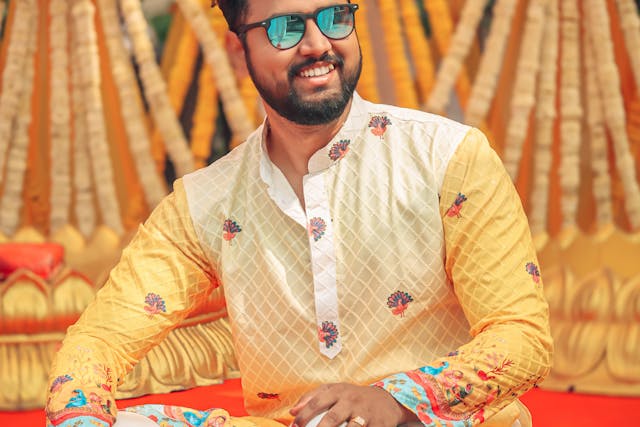
How to Choose Kurta Pyjama for Men: Styles, Fabrics Guide
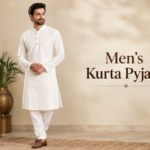
Choosing the perfect kurta pyjama for men is not as simple as picking something off a rack. It’s a subtle blend of tradition, personal style, comfort, and occasion. Some prefer minimal elegance, others lean toward rich embroidery and bold designs. And then there are those who want a balance—something that works across multiple settings without looking repetitive. The truth is, a well-chosen kurta pyjama doesn’t just clothe you; it tells a story about who you are and how you present yourself.
In today’s evolving fashion landscape, kurta pyjamas have moved beyond festive wear. They’ve become a versatile wardrobe staple. You’ll find them at weddings, family gatherings, office celebrations, and even casual outings. Designers are experimenting more than ever, blending modern silhouettes with traditional craftsmanship. As a result, men now have countless options—sometimes too many—which can make the selection process overwhelming.
Understanding the basics helps. Start by considering where you plan to wear your kurta pyjama. A heavily embroidered silk piece might look stunning at a wedding but feel out of place at a casual dinner. On the other hand, a simple cotton kurta can be perfect for daytime events but may lack the impact needed for grand celebrations. Context matters. Always.
Fit is another crucial aspect that often gets overlooked. A well-fitted kurta enhances your body shape without restricting movement. Too tight, and it looks awkward. Too loose, and it loses structure. Ideally, the shoulders should align perfectly, and the length should fall just below the knees or slightly above, depending on the style. Small details, big difference.
If you’re planning to Buy Kurta Pyjama for Men Online, you need to be extra careful with sizing, fabric descriptions, and customer reviews. Unlike in-store shopping, you can’t touch the fabric or try it on immediately. Pay close attention to size charts, and when in doubt, go for brands that offer easy returns. This simple step can save you from disappointment later.
Understanding Different Kurta Styles
Kurta styles have evolved significantly over the years. What was once a straightforward garment now comes in a variety of cuts and designs, each offering a distinct look.
Straight Cut Kurta
This is the most traditional and widely worn style. It falls straight from the shoulders, giving a clean and classic appearance. Perfect for formal occasions and traditional events, it pairs well with churidars or straight pyjamas.
A-Line Kurta
The A-line kurta flares slightly towards the bottom, creating a more relaxed and modern silhouette. It’s comfortable and flattering for most body types, especially for those who prefer a less rigid fit.
Angrakha Style
Inspired by royal attire, the angrakha kurta features overlapping panels tied at the side. It brings a regal charm and is often chosen for weddings or festive occasions.
Pathani Kurta
This style is bold and masculine, usually paired with a salwar instead of a pyjama. It’s ideal for casual gatherings or when you want a slightly rugged look.
Asymmetric Kurta
Modern and experimental, asymmetric kurtas feature uneven hemlines. They’re stylish and often chosen by younger men looking to make a statement.
Choosing the Right Fabric
Fabric selection can make or break your outfit. It affects not only how the kurta looks but also how it feels throughout the day.
Cotton
Lightweight, breathable, and perfect for daily wear. Cotton kurtas are ideal for summer or casual events. They keep you comfortable even in warm weather.
Silk
Luxurious and elegant, silk kurtas are best suited for weddings and festive occasions. They have a natural sheen that adds richness to your overall look.
Linen
A great alternative to cotton, linen offers a slightly textured appearance. It’s breathable but has a more refined finish, making it suitable for semi-formal events.
Rayon
Soft and flowy, rayon kurtas are comfortable and affordable. They drape well, giving a smooth and polished look without being too heavy.
Velvet
Reserved for grand occasions, velvet kurtas are rich and opulent. They are not practical for long wear in warm climates but work beautifully for winter weddings.
Color Selection Matters
Color plays a vital role in defining your style. While some men stick to safe choices like white, beige, or black, experimenting with colors can elevate your look.
For daytime events, lighter shades such as pastel blue, mint green, or cream work well. They look fresh and are easy on the eyes. Evening events, however, call for deeper tones—navy blue, maroon, emerald green, or even black.
Festive occasions are the perfect time to embrace brighter hues. Mustard yellow, royal blue, and deep red can make you stand out without being over the top. The key is balance—choose colors that complement your skin tone and the occasion.
Importance of Embroidery and Design
Not all kurtas need heavy embroidery. In fact, sometimes less is more. The choice depends entirely on where you’re wearing it.
- Minimal embroidery: Best for casual or semi-formal events
- Moderate detailing: Ideal for festivals and family gatherings
- Heavy embroidery: Perfect for weddings and grand celebrations
Pay attention to the placement of embroidery as well. A heavily embroidered neckline can add elegance without overwhelming the entire outfit.
Picking the Right Bottom Wear
The kurta is only half the outfit. The bottom wear you choose completes the look.
Churidar
Tight-fitting and gathered at the ankles, churidars give a sleek appearance. They pair well with longer kurtas.
Straight Pyjama
Comfortable and versatile, straight pyjamas work with almost all kurta styles. They’re a safe and reliable choice.
Salwar
Loose and relaxed, salwars are ideal for Pathani kurtas or when comfort is a priority.
Dhoti Pants
Stylish and traditional, dhoti pants add a unique twist. They’re great for festive occasions but may require some confidence to carry.
Occasion-Based Selection
Different occasions demand different styles. Wearing the right kurta pyjama at the right time shows attention to detail.
- Weddings: Go for silk or velvet with rich embroidery
- Festivals: Choose bright colors and moderate detailing
- Casual outings: Stick to cotton or linen with simple designs
- Office events: Opt for subtle colors and minimal embroidery
Matching your outfit to the occasion ensures you never feel overdressed or underdressed.
Accessories to Enhance Your Look
Accessories can elevate even the simplest kurta pyjama.
- Mojaris or juttis: Traditional footwear that complements the outfit
- Nehru jacket: Adds a layer of sophistication
- Watch: A classic accessory that never fails
- Stole or dupatta: Ideal for festive or wedding wear
The key is not to overdo it. Choose one or two accessories that enhance your look without overpowering it.
Seasonal Considerations
Weather plays a big role in your comfort. Wearing a heavy silk kurta in peak summer is not a great idea, no matter how stylish it looks.
- Summer: Cotton and linen
- Winter: Silk, velvet, or layered styles
- Monsoon: Quick-drying fabrics like rayon
Dressing according to the season keeps you comfortable and confident.
Tips for Online Shopping
Buying kurta pyjamas online has become increasingly popular, but it requires careful consideration.
- Always check size charts
- Read customer reviews
- Look at product images from multiple angles
- Verify return and exchange policies
Taking these steps ensures you get what you expect.
Final Thoughts
Choosing the right kurta pyjama is both an art and a science. It’s about understanding your body, your style, and the occasion. There’s no one-size-fits-all approach. Some days, you might prefer a simple cotton kurta. On others, you may want something more elaborate.
The beauty of kurta pyjamas lies in their versatility. They can be traditional yet modern, simple yet striking. With the right choices, you can build a wardrobe that works for every occasion—effortlessly.
So next time you’re picking a kurta pyjama, don’t rush. Take your time. Explore your options. And most importantly, choose something that feels like you.