How to Pick the Perfect Boys Ethnic Wear for Every Celebration
Indian ethnic fashion has always been a beautiful blend of culture, comfort, and timeless elegance. Whether it’s a family wedding, a festive gathering, a religious ceremony, or a birthday celebration, dressing young boys in traditional attire adds a touch of charm that never goes unnoticed. Today, parents have countless options, from classic kurta pajamas to trendy Indo-western outfits, making it easier than ever to find something suitable for every occasion.
However, with so many styles, fabrics, colors, and accessories available, choosing the right outfit can feel overwhelming. The perfect boys’ ethnic wear should not only look stylish but also allow children to move, play, and enjoy the celebration comfortably. Since kids are active by nature, their clothing must strike the right balance between fashion and functionality.
This guide will help parents understand how to choose the ideal boys’ ethnic wear based on the event, season, age, and personal style. By considering these factors, you can ensure your child looks confident, feels comfortable, and enjoys every special occasion.
Understand the Type of Celebration
The first step in selecting boys’ ethnic wear is identifying the type of event. Every celebration has its own dress expectations, and choosing attire accordingly helps create a polished look.
Weddings
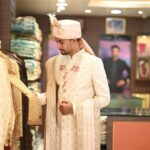
Indian weddings are grand affairs filled with colorful traditions. Rich fabrics like silk, jacquard, brocade, and velvet work beautifully for such occasions. Sherwanis, embroidered kurta sets, and Indo-western suits are excellent choices for wedding functions.
Festivals
Festivals like Diwali, Eid, Raksha Bandhan, Navratri, and Pongal call for vibrant ethnic outfits that reflect joy and tradition. Lightweight cotton or silk-blend kurtas paired with churidars or pajamas are both festive and practical.
Religious Ceremonies
Temple visits, poojas, naming ceremonies, and family rituals usually require simple yet elegant attire. Soft cotton kurtas with minimal embroidery offer a respectful and graceful appearance.
Birthday Parties
Traditional-themed birthday parties have become increasingly popular. Bright-colored kurta sets or stylish Nehru jacket combinations create a fashionable look without appearing overly formal.
Choose the Right Fabric for Comfort
Children rarely stay still for long. They run, jump, dance, and play throughout celebrations. Therefore, fabric selection plays a huge role in ensuring comfort.
Breathable fabrics like cotton remain ideal for daytime events and summer celebrations. Cotton absorbs sweat effectively while allowing proper airflow, reducing discomfort during long hours.
Silk and silk blends provide a luxurious appearance for weddings and festive evenings. Modern silk blends are softer, lighter, and easier to maintain than traditional silk.
Linen offers an elegant look while remaining breathable, making it perfect for semi-formal occasions.
Velvet is best reserved for winter weddings due to its warmth and rich texture. It creates an impressive royal appearance when paired with embroidered detailing.
Avoid heavy fabrics that restrict movement or cause irritation, especially for toddlers and younger children.
Prioritize the Perfect Fit
A beautifully designed outfit loses its charm if it doesn’t fit properly.
Avoid buying ethnic wear that’s excessively loose in hopes your child will “grow into it.” Oversized clothing often looks untidy and makes movement difficult.
Likewise, outfits that are too tight can make children uncomfortable throughout the celebration.
Always check:
- Shoulder fitting
- Sleeve length
- Neck comfort
- Waist flexibility
- Pant length
Whenever possible, allow your child to try on the outfit and walk around before purchasing. This simple step helps identify any discomfort immediately.
Select Age-Appropriate Designs
Not every design suits every age group.
Toddlers generally look adorable in simple kurta pajama sets with playful colors and minimal embroidery.
Children between five and ten years can carry vibrant prints, embroidered jackets, and colorful combinations that reflect youthful energy.
Older boys and teenagers often prefer sophisticated styles such as monochrome kurtas, asymmetrical cuts, or elegant sherwanis that resemble adult fashion while maintaining age-appropriate charm.
Allowing older children to participate in choosing their outfit also increases their confidence and excitement.
Match Colors with the Occasion
Color plays an important role in ethnic fashion.
If you’re planning to Shop Boys Ethnic Wear, start by considering colors that match both the celebration and your child’s personality. Bright shades like royal blue, mustard, emerald green, maroon, and saffron work wonderfully for festive occasions, while pastel tones such as mint green, peach, ivory, and sky blue are perfect for daytime ceremonies and summer weddings. Neutral colors including beige, cream, and white never go out of style and can easily be enhanced with colorful jackets, dupattas, or footwear. Coordinating your child’s outfit with the family’s color theme can also create beautiful photographs and a more polished overall appearance.
Explore Popular Boys Ethnic Wear Styles
Today’s ethnic fashion offers countless options beyond traditional kurta pajamas.
Kurta Pajama
The timeless favorite.
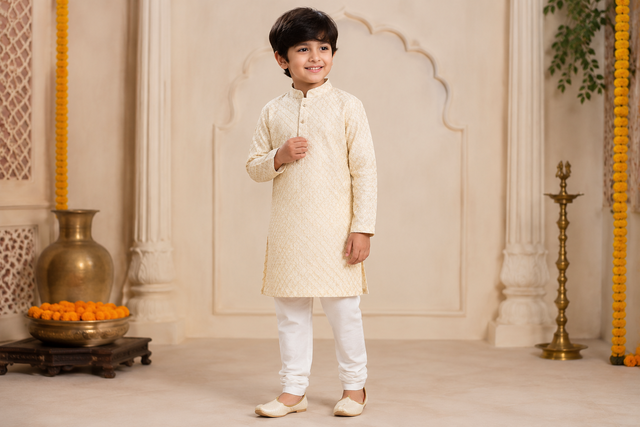
Available in countless colors and fabrics, kurta pajamas suit almost every Indian celebration. They are comfortable, versatile, and easy to accessorize.
Sherwani
Ideal for weddings and receptions.
Sherwanis instantly create a royal appearance and often feature beautiful embroidery, buttons, and layered designs.
Indo-Western Outfits
A modern twist on traditional fashion.
These outfits combine ethnic silhouettes with contemporary tailoring, making them popular among fashion-conscious parents.
Nehru Jacket Sets
A simple kurta becomes instantly stylish when paired with a Nehru jacket.
Parents can mix and match different jackets with multiple kurtas to create fresh looks without purchasing entirely new outfits.
Dhoti Kurta
Perfect for cultural celebrations and religious festivals.
This traditional combination reflects India’s heritage while remaining trendy.
Focus on Seasonal Dressing
The weather should influence your clothing choices.
Summer
Choose:
- Cotton
- Linen
- Lightweight silk blends
- Half-lined jackets
- Light colors
Winter
Opt for:
- Velvet jackets
- Full sherwanis
- Layered kurtas
- Wool-blend ethnic wear
- Dark jewel tones
Layering also helps maintain comfort when celebrations continue late into chilly evenings.
Pay Attention to Embroidery and Detailing
Embroidery enhances the beauty of ethnic clothing, but more isn’t always better.
Heavy embellishments may look luxurious but can feel uncomfortable during long events.
Choose moderate embroidery around:
- Neckline
- Sleeves
- Front panel
- Jacket borders
Subtle detailing often creates a more elegant appearance than excessive decoration.
Don’t Forget Footwear
The perfect outfit deserves equally stylish footwear.
Popular choices include:
- Mojaris
- Juttis
- Kolhapuri sandals
- Traditional leather sandals
Ensure the footwear is well-cushioned and fits properly.
If your child isn’t accustomed to traditional shoes, let them wear them around the house before the event to avoid discomfort.
Accessorize Wisely
Accessories complete the ethnic look without overwhelming it.
Suitable accessories include:
- Pocket squares
- Brooches
- Safas or turbans
- Stylish watches
- Beaded malas
- Traditional bracelets
For younger children, keep accessories minimal to avoid irritation or accidental damage during play.
Coordinate with Family Outfits
Family coordination has become increasingly popular for weddings and festivals.
Matching doesn’t necessarily mean wearing identical outfits.
Instead, coordinate through:
- Similar color palettes
- Matching embroidery
- Complementary fabrics
- Consistent styling
This creates elegant family photographs while allowing everyone to express their individuality.
Consider Practical Features
Parents often focus solely on appearance while overlooking practicality.
Look for features such as:
- Elastic waistbands
- Soft inner lining
- Hidden pockets
- Breathable stitching
- Easy buttons
- Quality zippers
These small details make dressing children significantly easier.
Buy Slightly Ahead of Time
Avoid last-minute shopping whenever possible.
Buying ethnic wear a few weeks before the event provides enough time for:
- Size alterations
- Accessory matching
- Shoe fitting
- Dry cleaning if needed
- Replacement in case of defects
Children also become familiar with wearing traditional clothing before the celebration.
Balance Quality and Budget
Expensive clothing doesn’t automatically mean better quality.
Instead, evaluate:
- Stitching quality
- Fabric durability
- Comfortable lining
- Washability
- Colorfastness
- Brand reputation
Well-made ethnic wear can often be reused for multiple occasions by changing accessories or jackets.
Choose Easy-to-Maintain Fabrics
Children naturally spill food, play outdoors, and sometimes get dirty during celebrations.
Easy-care fabrics save parents considerable effort.
Look for materials that:
- Resist wrinkles
- Wash easily
- Maintain color
- Require minimal ironing
- Retain shape after multiple washes
Some premium fabrics also feature stain-resistant finishes.
Involve Your Child in the Selection
As children grow older, personal preferences become increasingly important.
Rather than forcing a particular style, offer several suitable options.
Allowing children to choose:
- Favorite colors
- Jacket style
- Footwear
- Accessories
helps them feel excited about wearing ethnic clothing instead of viewing it as an obligation.
Think Beyond One-Time Wear
Versatile ethnic wear provides greater value.
For example:
- Pair one kurta with multiple jackets.
- Match white pajamas with several kurtas.
- Use embroidered jackets over plain kurtas.
- Wear festive kurtas with jeans for casual events.
Mix-and-match styling extends the usefulness of each purchase.
Online Shopping Tips
Buying boys’ ethnic wear online has become increasingly convenient.
Before placing an order:
- Read size charts carefully.
- Check customer reviews.
- Zoom into fabric details.
- Review return policies.
- Compare measurements rather than relying solely on age labels.
- Purchase from trusted retailers with clear product descriptions.
Ordering slightly early also allows enough time for exchanges if required.
Common Mistakes to Avoid
Many parents unknowingly make simple mistakes when buying ethnic wear.
Avoid:
- Choosing style over comfort.
- Ignoring seasonal fabrics.
- Buying oversized clothing.
- Selecting itchy embroidery.
- Forgetting comfortable footwear.
- Waiting until the last minute.
- Over-accessorizing young children.
- Ignoring your child’s preferences.
A little planning prevents unnecessary stress and ensures a better experience.
Final Thoughts
Choosing the perfect boys’ ethnic wear goes far beyond selecting an attractive outfit. It involves understanding the occasion, prioritizing comfort, selecting the right fabric, ensuring a proper fit, and adding thoughtful accessories that enhance the overall appearance. When these elements come together, your child not only looks stylish but also feels confident and comfortable throughout the celebration.
Whether you’re preparing for a lavish wedding, a colorful festival, a family gathering, or a traditional ceremony, investing time in choosing the right ethnic wear makes every special moment even more memorable. With countless modern and traditional styles available today, parents can easily find outfits that reflect cultural heritage while meeting the comfort needs of active children. By planning ahead, choosing quality garments, and involving your child in the decision-making process, you’ll create a look that is both timeless and practical for every joyful celebration.