Designer Lehengas for Women: Designs, Fits, Fabrics & Style Tips
A designer lehenga is more than a traditional Indian outfit. It is a beautiful combination of craftsmanship, fabric, embroidery, color, silhouette, and personal style. Over the years, lehengas have evolved from heavily embellished bridal wear into versatile outfits suitable for weddings, receptions, festive celebrations, engagement ceremonies, parties, and cultural events. Modern designers experiment with cuts, fabrics, drapes, blouse styles, and embellishment techniques while keeping the timeless charm of the lehenga intact. Whether you prefer a traditional embroidered ensemble or a contemporary minimal design, the right lehenga can instantly make your occasion look more elegant and memorable.
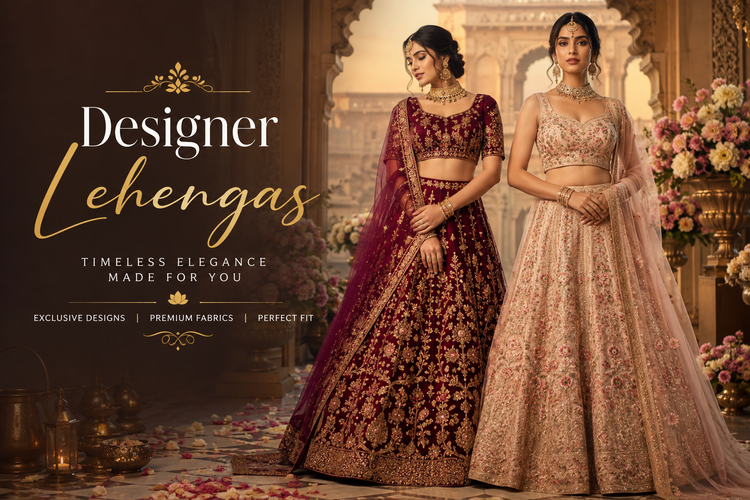
One of the biggest advantages of a designer lehenga is the variety available today. There is no single style that works for every woman, and that is exactly what makes lehenga shopping exciting. Some women prefer a classic flared skirt with a heavily decorated blouse and dupatta, while others choose lightweight fabrics, clean silhouettes, unusual blouse cuts, or pastel shades. The design can also be selected according to the occasion. A bridal lehenga may feature intricate embroidery and luxurious fabrics, whereas a festive lehenga can be lighter, more comfortable, and easier to style.
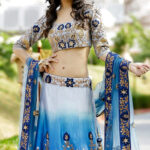
The skirt, commonly called the lehenga or ghagra, is usually the focal point of the outfit. Its silhouette can dramatically change the overall appearance. A traditional flared lehenga creates a graceful, dramatic effect and works particularly well for weddings and grand celebrations. A-line lehengas offer a more streamlined appearance and are comfortable for long events. Mermaid or fishtail styles provide a fitted look around the hips before flaring toward the bottom, giving the outfit a contemporary feel. Panelled lehengas, meanwhile, use multiple fabric sections to create movement and volume.
When selecting a designer lehenga, it is important to think beyond the embroidery and color. The fit, fabric, length, blouse design, and overall proportions can determine whether the outfit looks polished or uncomfortable. Women with different body shapes can choose silhouettes that complement their natural proportions rather than simply following the latest trend. A well-fitted lehenga should allow comfortable movement, especially when the wearer expects to sit, dance, walk, or attend an event for several hours. This is why customization and professional alterations can make such a significant difference.
For women looking for an elegant outfit for an upcoming celebration, Shop Designer Lehengas for Women after considering the occasion, desired silhouette, fabric, color palette, and level of embellishment. Shopping with these factors in mind makes it easier to narrow down hundreds of designs and avoid choosing an outfit simply because it looks attractive on a mannequin or model. A beautiful lehenga should not only photograph well but should also feel comfortable and reflect the personality of the person wearing it.
Popular Designer Lehenga Designs
Designer collections offer countless variations, but several styles continue to remain popular because of their versatility and timeless appeal.
1. Classic Flared Lehenga
The classic flared lehenga is one of the most recognizable Indian silhouettes. It features a broad flare that creates beautiful movement while walking or twirling. Heavy embroidery, zari work, sequins, threadwork, or traditional motifs can make the design suitable for weddings and receptions.
This style is particularly effective when paired with a fitted blouse because the contrast between the structured upper portion and voluminous skirt creates balanced proportions. A matching or contrasting dupatta can complete the look.
2. A-Line Lehenga
An A-line lehenga gradually widens from the waist toward the hem. It offers a sophisticated silhouette without creating excessive volume. This makes it a practical option for women who want an elegant outfit that is easier to carry.
A-line designs work well with both heavily embroidered and minimally decorated fabrics. They can also be paired with cropped blouses, long-sleeved blouses, or contemporary jacket-style tops.
3. Mermaid Lehenga
The mermaid or fishtail lehenga has a fitted shape around the waist and hips before opening dramatically near the lower portion. It creates a glamorous, modern appearance and is often seen in engagement, reception, and evening-wear collections.
Because the silhouette is more fitted, accurate measurements are especially important. The wearer should be able to walk comfortably without the skirt feeling restrictive.
4. Jacket-Style Lehenga
A jacket-style lehenga replaces or complements the traditional dupatta with a long embroidered or embellished jacket. This gives the outfit a fashionable layered appearance.
Jacket lehengas can be especially useful for winter weddings or formal evening events. Velvet, brocade, silk, and richly textured fabrics can add warmth and depth to the overall look.
5. Minimalist Designer Lehenga
Not every designer lehenga needs heavy embroidery. Minimalist designs have become increasingly appealing to women who prefer understated luxury. These outfits may use solid colors, delicate borders, subtle sequins, tonal embroidery, or carefully placed motifs.
A minimalist lehenga can also be more versatile because individual pieces may be reused with different outfits later.
Choosing the Right Fabric
Fabric affects the appearance, comfort, movement, and structure of a lehenga. Choosing the right material is therefore just as important as selecting the embroidery.
Silk
Silk remains a classic choice for luxury Indian clothing. It has a natural sheen and creates a rich appearance. Silk lehengas can work beautifully for weddings and formal celebrations, particularly when combined with traditional embroidery.
Velvet
Velvet provides a luxurious and dramatic finish. Its rich texture makes it particularly attractive for evening functions and winter celebrations. Deep colors such as wine, emerald, navy, and burgundy can look especially sophisticated in velvet.
Georgette
Georgette is lightweight and has a soft, flowing appearance. It is often used for dupattas and lehenga skirts because it moves gracefully. It can be a good choice when comfort and ease of movement are priorities.
Net
Net fabrics are frequently used for contemporary and heavily embellished lehengas. Layers of net can create volume without making the outfit excessively heavy. They are also popular for creating delicate, dreamy silhouettes.
Organza
Organza has a crisp, lightweight texture and creates a structured appearance. It works particularly well for modern festive designs where the wearer wants volume without excessive weight.
Brocade
Brocade brings a traditional, woven richness to the outfit. Its intricate patterns can sometimes provide enough visual interest without requiring extensive surface embroidery.
Women’s Designer Lehengas for Different Occasions
The best lehenga depends heavily on where you plan to wear it. A bridal outfit is very different from something chosen for a family festival or cocktail-style reception.
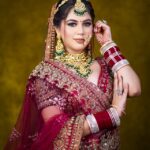
For a wedding ceremony, rich colors, traditional motifs, detailed embroidery, zari, and luxurious fabrics can create a regal appearance. Red, maroon, pink, gold, and jewel tones remain popular, although modern brides increasingly experiment with ivory, champagne, blush, lavender, and pastel combinations.
For a reception, women can explore more contemporary silhouettes. Sequined lehengas, metallic fabrics, sculpted blouses, dramatic dupattas, and darker shades can create a sophisticated evening look.
For an engagement ceremony, lighter embellishment and elegant silhouettes can be ideal. Pastels, floral embroidery, pearls, delicate sequins, and soft fabrics can create a graceful appearance without competing with the wedding outfit.
For festive occasions such as Diwali, Navratri, or family celebrations, comfort should be a priority. Lightweight lehengas in bright colors can offer a festive appearance while allowing the wearer to move freely.
For parties, contemporary designs are often more suitable. A crop-top blouse, asymmetrical skirt, cape, belt, jacket, or unconventional color combination can transform the traditional lehenga into a modern statement outfit.
How to Choose the Right Fit
A beautiful designer lehenga can lose its appeal if it does not fit properly. The waist should feel secure without being excessively tight. The blouse should provide sufficient support and allow comfortable arm movement.
Pay attention to the blouse neckline as well. Sweetheart, square, round, halter, high-neck, off-shoulder, and one-shoulder designs create very different visual effects. The best choice depends on personal comfort, the overall outfit, and the level of coverage desired.
The length of the lehenga should also be considered carefully. Ideally, the hem should allow comfortable walking while working well with the footwear selected for the event. Wearing the shoes during final alterations can help ensure the correct length.
A lehenga with a well-fitted waistband can create a polished silhouette, but comfort should never be sacrificed for appearance. If you are attending an event that lasts several hours, small fitting issues can become surprisingly uncomfortable.
Color Selection and Styling
Color can completely change the personality of a designer lehenga. Traditional red and gold combinations create a bridal appearance, while pastel shades offer a softer and more contemporary feel.
Pink, peach, lavender, mint, powder blue, champagne, and ivory can work beautifully for daytime functions. Emerald, navy, wine, plum, black, and deep burgundy can make stronger statements at evening events.
Contrast is another effective styling technique. A neutral lehenga with a colorful blouse can create visual interest, while a monochromatic ensemble can look sophisticated and luxurious. Metallic accents such as gold or silver can also enhance the overall appearance without requiring excessive decoration.
When choosing colors, consider the event’s setting and lighting. A shade that looks beautiful in natural daylight may appear different under warm indoor lights or strong photography flashes.
Dupatta Styling Ideas
The dupatta can dramatically alter the appearance of a lehenga. A traditional drape over one shoulder creates a classic look, while a front-draped style can provide additional coverage.
For a more modern appearance, try wearing the dupatta over one shoulder and securing it neatly with pins. A double-dupatta combination can add dimension to bridal outfits, with one dupatta worn over the head and another styled across the body.
A contrasting dupatta can also become the statement element of the outfit. For example, a simple lehenga paired with a heavily embroidered dupatta can create an attractive balance.
Jewelry and Accessories
Jewelry should complement the lehenga rather than overpower it. Heavily embellished outfits often work better with carefully selected jewelry, while simpler lehengas provide an opportunity to make accessories the focal point.
For traditional occasions, chandbalis, jhumkas, chokers, layered necklaces, maang tikka, and bangles can complete the look. For contemporary outfits, geometric earrings, sleek necklaces, statement rings, or minimal bracelets can provide a modern finish.
Footwear should combine style with practicality. Embellished juttis, traditional sandals, heels, or wedges can all work depending on the outfit. If you expect to stand or dance for a long period, choose footwear that you can comfortably wear throughout the event.
Hairstyle and Makeup Tips
Your hairstyle should work with the neckline and overall design of the lehenga. An elegant bun can complement traditional jewelry and create space around statement earrings. Soft waves can create a relaxed, contemporary appearance.
Braids decorated with flowers or accessories can work beautifully for traditional celebrations. For modern evening events, sleek ponytails or polished waves can create a more fashion-forward look.
Makeup should also match the occasion. A soft, glowing look can be ideal for daytime celebrations, while stronger eye makeup or a bold lip can work well for evening events. The goal is to create harmony between the outfit, jewelry, hairstyle, and makeup.
Customization: Making the Lehenga Your Own
One of the biggest benefits of designer clothing is the possibility of customization. Women can often modify blouse necklines, sleeve lengths, skirt flare, embroidery placement, dupatta borders, and color combinations.
Customization can be particularly useful when you have a specific body-fit requirement or want an outfit that feels unique. Even small changes can make a major difference. Replacing a standard blouse with a personalized design, for example, can give an otherwise familiar lehenga a completely different personality.
It is also worth thinking about repeat wear. Instead of choosing a heavily coordinated set that can only be worn once, consider whether the blouse or skirt can be styled separately with other garments. This approach makes the investment more practical.
Current Styling Direction
Modern lehenga fashion increasingly combines traditional craftsmanship with contemporary silhouettes. Designers are experimenting with cape blouses, structured corsets, jackets, pre-draped dupattas, belts, asymmetric hems, layered skirts, and unconventional color combinations.
At the same time, traditional techniques remain highly desirable. Hand embroidery, zari, zardozi-inspired detailing, mirror work, thread embroidery, sequins, and intricate borders continue to give Indian outfits their distinctive character.
The most appealing trend is perhaps the movement toward personalization. Instead of following a single fashion rule, women are increasingly choosing pieces that match their individual personality, comfort level, and event requirements.
Final Thoughts
Designer lehengas offer an impressive combination of tradition, fashion, and personal expression. From dramatic bridal silhouettes to lightweight festive outfits, there is a design for almost every occasion and style preference. The key is to look beyond the surface and consider the complete outfit: silhouette, fabric, fit, color, embroidery, blouse, dupatta, accessories, and comfort.
When shopping for a designer lehenga, start by identifying the event and the kind of appearance you want. Then narrow your choices according to fabric, silhouette, color, and embellishment. Most importantly, choose a design that allows you to feel confident and comfortable. Fashion trends may change every season, but a thoughtfully selected lehenga with excellent craftsmanship and a flattering fit can remain a memorable part of your wardrobe for years.