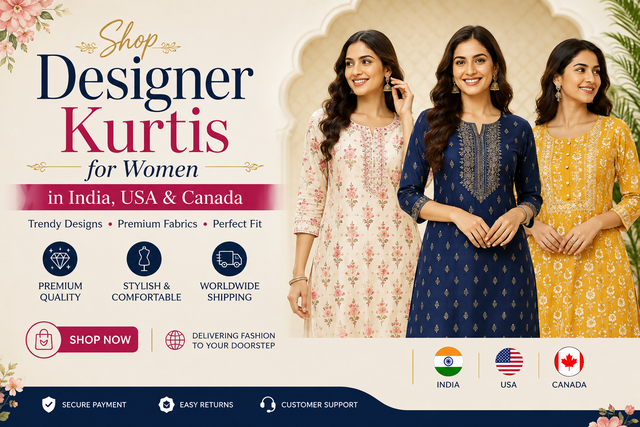
Designer Kurti for Women: Types, Styling Ideas, Fabrics and Fit Guide
A designer kurti is one of the most versatile pieces in a modern Indian wardrobe. It can look graceful at a family gathering, polished at work, relaxed during a casual outing, or festive when paired with the right accessories. Unlike basic everyday kurtis, designer styles often bring together distinctive cuts, thoughtful detailing, attractive prints, embroidery, and contemporary silhouettes. This combination makes them suitable for women who want traditional charm without giving up a modern fashion sensibility.
The popularity of designer kurtis has grown because they offer plenty of room for personal expression. Some women prefer elegant straight-cut designs, while others love flared Anarkali silhouettes, asymmetric hems, layered patterns, or statement sleeves. The fabric also changes the overall character of the outfit. Cotton can create a comfortable daytime look, silk blends can feel more luxurious, and lightweight georgette or chiffon can add movement to an occasion-ready ensemble.
Another reason kurtis remain a wardrobe favorite is their flexibility. A single well-designed kurti can be styled in several different ways depending on the occasion. Wear it with cigarette pants and minimal jewelry for an office-ready appearance. Add palazzos, statement earrings, and embellished footwear for a festive gathering. Pair it with jeans and sneakers when you want a more casual Indo-western look. The possibilities are surprisingly broad.
Before choosing a design, however, it helps to understand what actually makes a kurti suitable for you. Color, neckline, sleeve pattern, fabric, length, embellishment, and fit all contribute to the final appearance. Body proportions and personal comfort matter too. A beautiful design may not feel right if the fabric is uncomfortable or the cut restricts movement. Fashion should look good, but it should also work for your lifestyle. If you are planning to Shop Designer Kurti for Women, consider the occasion, season, preferred silhouette, and styling options before making your selection.
What Is a Designer Kurti?
A designer kurti is generally distinguished by its unique styling, construction, fabric selection, embellishment, or overall aesthetic. It may feature hand embroidery, digital prints, unusual necklines, statement sleeves, pleats, layers, lace details, mirror work, threadwork, or carefully structured tailoring.
Designer does not necessarily mean heavily embellished. In fact, some of the most sophisticated kurtis have a clean silhouette and minimal decoration. A solid-colored kurti with an interesting collar, elegant sleeves, or an asymmetric hem can make a stronger style statement than an outfit covered in embellishments.
Modern designers also experiment with traditional Indian techniques while introducing contemporary elements. This creates outfits that feel culturally rooted yet suitable for current fashion preferences.
Popular Types of Designer Kurtis
1. Straight-Cut Kurtis
Straight-cut kurtis are among the easiest styles to wear. They generally fall vertically from the shoulders and create a neat, streamlined silhouette.
They work particularly well for office wear, college outfits, casual meetings, and everyday occasions. Pair a straight kurti with cigarette pants, leggings, straight trousers, or even denim depending on the desired look.
For a polished appearance, choose subtle prints or solid colors and add delicate jewelry.
2. Anarkali Kurtis
Anarkali kurtis are recognized by their flared silhouette. They can be short, calf-length, or floor-length, depending on the design.
A lightly embellished Anarkali can work beautifully for festive occasions, while a printed cotton version can be comfortable for daytime wear. The flare adds movement to the outfit and gives it a graceful, feminine appearance.
Pair an Anarkali with churidar pants or fitted bottoms so the overall silhouette remains balanced.
3. A-Line Kurtis
A-line kurtis gradually widen from the upper body toward the hem, creating an A-shaped silhouette. They are versatile and flattering on many body types.
These kurtis can be styled for both casual and semi-formal occasions. Printed A-line designs are particularly popular for daytime dressing, while embroidered versions can be suitable for celebrations.
4. Asymmetric Kurtis
If you enjoy contemporary fashion, an asymmetric kurti can add an interesting edge to your wardrobe. The hemline may be longer on one side or follow a diagonal pattern.
These designs are especially useful for Indo-western styling. Pair an asymmetric kurti with slim trousers, leggings, or jeans. Keep accessories relatively simple because the unusual hemline already creates a focal point.
5. High-Low Kurtis
High-low kurtis have a shorter front and longer back. They create a playful, modern silhouette and can make a simple outfit look more fashionable.
These styles are often seen in partywear and casual Indo-western collections. Depending on the fabric and detailing, they can range from relaxed to glamorous.
6. Angrakha-Style Kurtis
Inspired by traditional wrap-style clothing, Angrakha kurtis typically feature overlapping panels and tie-up details. They may include tassels, embroidery, contrast borders, or printed fabrics.
They are a good choice when you want something traditional with a distinctive visual character.
7. Shirt-Style Kurtis
Shirt-style kurtis combine elements of a classic shirt with Indian silhouettes. They may include collars, buttons, cuffs, or front plackets.
These designs are excellent for contemporary office wardrobes. Wear one with straight pants and loafers for a sophisticated appearance, or style it with jeans for a relaxed look.
Choosing the Right Fabric
Fabric influences how a kurti looks, feels, and falls. The right choice depends heavily on the season and occasion.
Cotton
Cotton is one of the most practical options for warm weather. It is breathable, comfortable, and suitable for everyday use.
Cotton designer kurtis can feature block prints, floral patterns, embroidery, stripes, or contemporary motifs. They are especially useful for office wear, shopping trips, and casual gatherings.
Rayon
Rayon has a smooth texture and generally drapes well. It can be a good option when you want a kurti with a fluid appearance without choosing a heavily formal fabric.
Printed rayon kurtis work particularly well for everyday and semi-casual styling.
Chiffon
Chiffon is lightweight and has a soft, flowing appearance. It is often used for more elegant or occasion-focused designs.
Because it tends to be delicate, proper care is important. Chiffon kurtis can look beautiful with minimal accessories and elegant footwear.
Georgette
Georgette has a slightly textured surface and a graceful drape. It is commonly associated with festive and occasionwear styles.
A georgette kurti with embroidery, sequins, or delicate embellishment can make an excellent choice for celebrations.
Silk and Silk Blends
Silk and silk-blend fabrics bring richness to an outfit. They are particularly suitable for weddings, festivals, formal dinners, and other special occasions.
Even a relatively simple silk kurti can look luxurious because of the fabric’s natural sheen and texture.
Linen
Linen is valued for its breathable feel and natural appearance. Linen-blend kurtis can create an understated, sophisticated look, particularly for daytime occasions.
The slight texture of linen also works well with earthy shades, minimal prints, and contemporary tailoring.
How to Choose the Right Fit
Fit can make the difference between an outfit that looks polished and one that feels awkward. Start with the shoulder area. The shoulder seam should sit naturally rather than falling too far down the arm.
The bust area should provide enough room for comfortable movement without excessive pulling. Check the armholes and sleeves as well. You should be able to raise your arms and move comfortably.
Length is another important consideration. Short kurtis can work well with jeans, trousers, or skirts. Medium-length styles are highly versatile, while long kurtis can create a more traditional and elegant appearance.
Pay attention to the side slits too. They should allow comfortable movement without making the garment feel excessively loose.
If you prefer a relaxed appearance, choose a slightly loose silhouette. For a more structured look, opt for tailored cuts, but avoid sacrificing comfort.
Styling Ideas for Different Occasions
Office Wear
For work, simplicity usually works best. Choose straight or A-line kurtis in subtle colors and understated prints.
Pair them with cigarette pants or tailored trousers. Add small earrings, a structured handbag, and comfortable flats. Avoid excessive embellishment unless your workplace has a more relaxed dress code.
A crisp cotton or linen kurti can look professional while remaining comfortable throughout a busy day.
Casual Outings
For casual dressing, experiment with color and prints. A printed kurti paired with jeans creates an effortless Indo-western look.
Add sneakers, a crossbody bag, and simple accessories. Roll up the sleeves slightly if the design allows it for a relaxed appearance.
Festive Occasions
Festive dressing provides an opportunity to introduce richer fabrics and embellishments. Consider silk blends, georgette, embroidered cotton, or embellished rayon.
Pair the kurti with palazzos or churidar pants and add statement earrings. Juttis, embellished sandals, or metallic footwear can complete the ensemble.
Weddings and Parties
For weddings and formal celebrations, choose designs with detailed embroidery, sequins, zari work, mirror work, or luxurious fabrics.
An Anarkali or layered kurti can create an elegant statement. Keep the rest of the outfit coordinated rather than competing with the main garment.
College Wear
Comfort and individuality are important for college outfits. Short or medium-length kurtis work particularly well with jeans, leggings, or straight trousers.
Bright prints, geometric patterns, floral motifs, and contemporary cuts can make the outfit youthful without becoming overly complicated.
Styling Designer Kurtis for Girls
Fashionable kurti designs are not limited to adult wardrobes. Designer Kurtis for Girls can offer playful colors, youthful prints, comfortable silhouettes, and modern details.
For younger wearers, comfort should remain a priority. Soft cotton, rayon, and breathable blends are practical choices for regular use. Floral prints, pastel shades, small motifs, and simple embroidery can create an attractive appearance without making the outfit feel too formal.
For festive occasions, girls can wear embellished kurtis with palazzos, skirts, or traditional bottoms. Adding colorful accessories can make the outfit more cheerful and age-appropriate.
Choosing Colors That Suit Your Style
Color selection depends on personal preference, complexion, occasion, and existing wardrobe pieces.
Neutral colors such as beige, white, black, navy, and grey offer excellent versatility. Pastel shades such as blush, mint, lavender, and powder blue can create a soft appearance.
For festive occasions, jewel tones such as emerald, maroon, royal blue, and deep purple can provide a richer look. Bright yellow, pink, orange, and turquoise are excellent choices when you want a cheerful statement.
If you are purchasing your first designer kurti, choose a color that works with multiple bottoms. This gives you more outfit combinations.
Neckline and Sleeve Choices
Neckline design can significantly change the appearance of a kurti.
A round neck provides a simple and classic look. V-necks can create a visually elongated neckline, while boat necks can add a refined touch. Mandarin collars and shirt collars work particularly well for contemporary outfits.
Sleeves can also become a major design feature. Three-quarter sleeves are practical and timeless. Bell sleeves and flared sleeves create a more dramatic look, while puff sleeves can introduce a fashionable, feminine element.
When the sleeves are heavily detailed, consider keeping the rest of the outfit relatively simple.
Accessories to Complete the Look
Accessories should complement the kurti rather than overpower it.
For everyday outfits, small earrings, a watch, and a simple handbag may be enough. Festive kurtis can be paired with jhumkas, bangles, statement necklaces, or embellished clutches.
A dupatta can completely change the character of a kurti. Choose a lightweight printed dupatta for a casual look or an embroidered and embellished option for celebrations.
Footwear also matters. Juttis and mojaris provide a traditional appearance, while sandals offer a relaxed feel. Heels can add height and formality, whereas sneakers create a contemporary Indo-western style.
Common Mistakes to Avoid
One common mistake is choosing a design based solely on appearance without considering comfort. If the fabric feels uncomfortable or the fit restricts movement, the garment may spend more time in the wardrobe than in regular use.
Another mistake is ignoring proportions. A heavily flared kurti paired with an equally voluminous bottom can make the overall outfit look unbalanced. Similarly, an oversized kurti may look better with a slimmer bottom.
Over-accessorizing is another issue. If your kurti already includes embroidery, prints, tassels, and embellishments, adding multiple statement accessories can make the outfit appear crowded.
Finally, remember to check care instructions. Some fabrics require gentle washing or dry cleaning. Proper maintenance helps preserve color, shape, and embellishments.
Building a Versatile Kurti Wardrobe
You do not need dozens of kurtis to create a flexible wardrobe. Start with a few different silhouettes and fabrics.
A practical collection could include:
- One classic cotton kurti for everyday use
- One straight-cut design for office wear
- One printed A-line kurti for casual occasions
- One elegant Anarkali for festive events
- One contemporary Indo-western design
- One richly embellished kurti for weddings or parties
Choose colors that complement your existing trousers, jeans, palazzos, skirts, and dupattas. This approach allows you to create numerous combinations without continuously buying new clothes.
Final Thoughts
Designer kurtis combine comfort, tradition, and contemporary fashion in a way few other garments can match. From simple cotton straight cuts to luxurious embroidered Anarkalis, there is a design for almost every personality, occasion, and season.
The best choice is not necessarily the most heavily decorated or expensive one. Instead, look for a kurti that fits comfortably, suits your personal style, works for the intended occasion, and can be styled with pieces you already own.
Pay attention to fabric, silhouette, neckline, sleeve design, color, and length. Once these elements work together, even a relatively simple kurti can create a memorable outfit. With thoughtful styling and the right accessories, designer kurtis can easily become one of the most versatile staples in a modern Indian wardrobe.