Men’s Traditional Wear Guide to Styles, Fabrics and Occasion Dressing
Traditional clothing has always been more than just fashion. It reflects culture, heritage, personality, and respect for important occasions. Whether you’re attending a wedding, celebrating a festival, participating in a religious ceremony, or simply embracing your cultural roots, choosing the right traditional outfit can make a lasting impression. Modern men’s fashion has evolved significantly, blending timeless craftsmanship with contemporary cuts and luxurious fabrics to create outfits that are stylish, comfortable, and versatile.
Today’s traditional menswear offers endless possibilities. From elegant sherwanis and classic kurtas to sophisticated bandhgalas and stylish Nehru jackets, every garment has its own charm and purpose. Understanding which style suits a particular occasion, selecting the right fabric for the season, and accessorizing correctly can transform an ordinary look into an exceptional one.
Many men feel overwhelmed when choosing traditional attire because of the wide variety of designs available today. However, once you understand the basics of styles, fabrics, colors, and occasions, dressing well becomes much easier. Instead of following trends blindly, you can confidently select outfits that reflect your personality while honoring tradition.
One of the biggest advantages of modern ethnic fashion is its versatility. Many traditional garments can now be styled in multiple ways, allowing you to wear them at formal events, family gatherings, festive celebrations, and even semi-casual occasions. Designers continue to introduce fresh silhouettes while preserving the authenticity of classic craftsmanship, making traditional wear more accessible than ever.
If you’re planning to refresh your wardrobe, now is the perfect time to Shop Men’s Traditional Wear that combines timeless elegance with modern comfort. Investing in high-quality traditional outfits ensures you always have the perfect ensemble ready for weddings, festivals, engagement ceremonies, cultural celebrations, or family events.
Why Traditional Wear Still Matters
Fashion trends come and go, but traditional clothing remains timeless. It represents generations of craftsmanship, artistry, and cultural identity. Wearing traditional attire demonstrates appreciation for heritage while allowing modern men to express sophistication and confidence.
Traditional outfits also carry emotional value. Family celebrations often become cherished memories, and wearing appropriate attire helps create a stronger connection to those moments. Whether it’s a wedding photograph that lasts decades or a festive family gathering, the right outfit becomes part of your story.
Beyond aesthetics, traditional garments are designed with comfort in mind. Breathable fabrics, relaxed silhouettes, and handcrafted detailing make them suitable for long celebrations where comfort is just as important as appearance.
Popular Styles of Men’s Traditional Wear
Traditional menswear comes in numerous styles, each serving different purposes and occasions.
Kurta Pajama
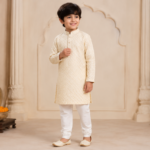
The kurta pajama is perhaps the most versatile traditional outfit. Available in countless fabrics, lengths, colors, and embroidery styles, it works for everything from casual family dinners to festive celebrations.
Simple cotton kurtas are perfect for everyday cultural events, while silk or embroidered versions are ideal for weddings and formal gatherings.
Sherwani
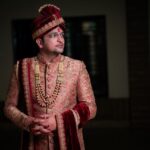
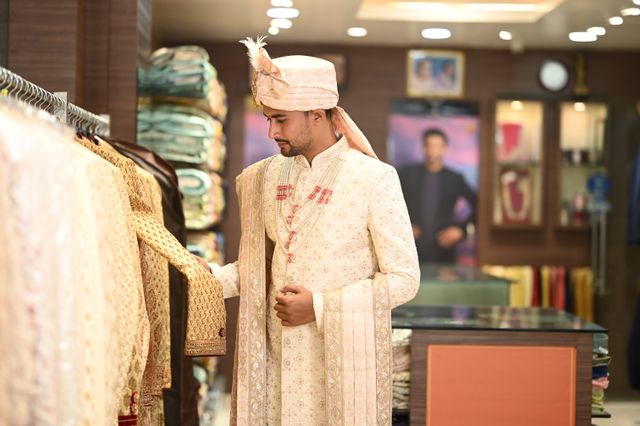
A sherwani is considered one of the most regal traditional garments for men. Usually worn during weddings, receptions, or grand celebrations, sherwanis feature luxurious fabrics, intricate embroidery, and structured tailoring.
Modern sherwanis come in slimmer silhouettes while maintaining traditional elegance, making them popular among contemporary grooms.
Bandhgala Suit
Often referred to as the Jodhpuri suit, the bandhgala perfectly combines Western tailoring with Indian heritage. Its high-neck collar creates a polished appearance suitable for formal events, receptions, and business ceremonies.
Pairing a bandhgala with fitted trousers creates a sophisticated yet traditional look.
Nehru Jacket
The Nehru jacket is one of the easiest ways to elevate a simple kurta. It adds structure without overwhelming the outfit and works well for festivals, office celebrations, family gatherings, and semi-formal occasions.
Modern versions feature textured fabrics, subtle prints, and contemporary colors.
Dhoti Kurta
The dhoti remains deeply rooted in cultural traditions. While historically worn daily in many regions, today’s dhoti outfits are primarily reserved for weddings, temple ceremonies, and religious festivals.
Contemporary draped dhotis simplify wearing the garment while maintaining authenticity.
Pathani Suit
Known for its relaxed silhouette, the Pathani suit offers both style and comfort. Often chosen for Eid celebrations and festive occasions, it presents a masculine, elegant appearance with minimal effort.
Understanding Different Fabrics
Fabric selection plays a major role in determining comfort, appearance, and suitability for different occasions.
Cotton
Cotton remains one of the most comfortable traditional fabrics. Lightweight and breathable, it’s ideal for daytime functions and warm weather.
Cotton kurtas are perfect for religious ceremonies, casual gatherings, and summer festivals.
Silk
Silk symbolizes luxury and celebration. Its natural sheen makes it one of the preferred fabrics for weddings, receptions, and grand festivities.
Raw silk, Banarasi silk, and Tussar silk each offer unique textures and appearances.
Linen
Linen provides excellent breathability while maintaining a refined look. It has become increasingly popular for destination weddings and summer celebrations.
Its slightly textured finish adds effortless sophistication.
Velvet
Velvet is associated with royal elegance. Rich colors and luxurious texture make velvet sherwanis and bandhgalas perfect for winter weddings and evening receptions.
Brocade
Brocade features intricate woven patterns that instantly elevate traditional garments. It is commonly used in sherwanis, jackets, and ceremonial attire.
Jacquard
Jacquard fabrics showcase detailed woven motifs without heavy embroidery. They offer elegance while remaining relatively lightweight.
Choosing the Right Outfit for Every Occasion
Every celebration has its own dress code. Understanding these expectations helps create a balanced appearance.
Weddings
Weddings often call for luxurious fabrics and intricate craftsmanship. Sherwanis, embroidered kurtas, bandhgalas, and layered Nehru jackets are all excellent choices.
Rich colors such as maroon, emerald, ivory, navy, gold, and deep green work particularly well.
Festivals
Festivals encourage vibrant colors and comfortable fabrics. Cotton silk kurtas, embroidered jackets, and lightweight churidars create stylish yet practical festive looks.
Bright shades including mustard, royal blue, orange, and emerald reflect the celebratory mood.
Religious Ceremonies
Religious occasions generally favor simplicity and elegance. Neutral colors, minimal embroidery, and breathable fabrics create respectful attire without appearing overly extravagant.
Engagement Functions
Engagement ceremonies allow for fashionable experimentation. Layered jackets, printed kurtas, and contemporary silhouettes strike the perfect balance between formal and festive.
Reception Parties
Evening receptions often feature more formal attire. Velvet bandhgalas, silk sherwanis, and tailored Indo-Western outfits create sophisticated appearances.
Styling Men’s Ethnic Wear for a Modern Look
While traditional clothing honors heritage, modern styling techniques allow men to create contemporary looks without compromising authenticity. Men’s Ethnic Wear today embraces slimmer fits, cleaner tailoring, subtle embroidery, and innovative layering that appeal to younger generations.
Pair a solid kurta with a printed Nehru jacket for visual interest. Wear loafers instead of heavily embellished footwear for semi-formal occasions. Add a classic wristwatch to balance traditional attire with modern elegance.
Experimenting with pastel colors has also become increasingly popular. Shades like sage green, powder blue, blush pink, and ivory offer fresh alternatives to traditional darker palettes.
Seasonal Fabric Guide
Summer
Choose lightweight materials like cotton, linen, muslin, and cotton silk. These fabrics improve airflow and keep you comfortable throughout long daytime celebrations.
Light colors also help reduce heat absorption.
Monsoon
Blended fabrics that resist wrinkles and dry quickly perform well during humid weather. Avoid heavy velvet or thick brocade.
Winter
Winter celebrations allow heavier materials such as velvet, silk, jacquard, and wool blends. Layering with shawls and embroidered jackets provides both warmth and sophistication.
Understanding Colors
Color selection significantly impacts the overall appearance.
White and Ivory
Perfect for religious ceremonies, daytime weddings, and elegant celebrations.
Versatile enough for receptions, evening parties, and formal occasions.
Maroon
A timeless wedding favorite representing richness and celebration.
Emerald Green
Adds luxury while remaining distinctive.
Beige
Offers understated elegance suitable for multiple occasions.
Black
Best reserved for evening events where formal sophistication is desired.
Accessories That Complete the Look
Accessories should complement rather than overpower traditional attire.
Mojaris
Traditional leather footwear remains one of the best companions for kurtas and sherwanis.
Safa or Turban
Popular at weddings, turbans symbolize honor and celebration.
Pocket Squares
A matching pocket square enhances bandhgalas and Nehru jackets.
Brooches
Decorative brooches add elegance to sherwanis during formal occasions.
Shawls
Embroidered shawls elevate winter wedding attire while providing warmth.
Watches
Classic leather or metal watches maintain timeless sophistication.
Finding the Right Fit
Even the finest fabric cannot compensate for poor tailoring.
Shoulders should sit naturally without pulling. Sleeves should end comfortably near the wrist. Kurta length should complement your height, while trousers should maintain clean lines without excessive bunching.
Custom tailoring often delivers the most polished appearance, especially for weddings and important celebrations.
Caring for Traditional Clothing
Proper maintenance extends the life of premium garments.
Always read care labels before cleaning. Delicate embroidered outfits should generally be dry cleaned. Store garments in breathable garment bags to prevent moisture buildup.
Avoid direct sunlight during storage, especially for silk fabrics, as prolonged exposure may cause fading.
Heavy embroidered outfits should be folded carefully using tissue paper between embellishments to preserve their intricate work.
Common Mistakes to Avoid
Many men unintentionally reduce the elegance of their traditional attire through small styling errors.
- Wearing oversized or poorly fitted garments.
- Mixing too many bold patterns.
- Choosing inappropriate footwear.
- Ignoring seasonal fabrics.
- Over-accessorizing.
- Wearing wrinkled clothing.
- Selecting colors that clash with the occasion.
Paying attention to these details creates a far more refined appearance.
Building a Versatile Traditional Wardrobe
A well-planned wardrobe doesn’t require dozens of outfits.
Start with:
- One classic ivory kurta.
- One navy or black bandhgala.
- One embroidered sherwani for weddings.
- Two Nehru jackets.
- One silk festive kurta.
- Neutral churidar and pajama sets.
- Traditional footwear in tan and black.
- A quality shawl for winter events.
This combination covers nearly every traditional occasion throughout the year.
The Future of Traditional Menswear
Fashion continues evolving, yet traditional clothing remains remarkably adaptable. Designers increasingly combine sustainable fabrics, minimalist embroidery, modern tailoring, and innovative textures while respecting cultural heritage.
Consumers are also becoming more conscious about craftsmanship, ethical production, and timeless investments rather than fast fashion. As a result, high-quality traditional garments are designed to remain relevant for many years instead of following short-lived trends.
The growing popularity of destination weddings, cultural celebrations, and heritage-inspired fashion has further strengthened demand for refined traditional menswear. Modern men appreciate garments that balance authenticity, comfort, and individuality, making traditional wear an essential part of every stylish wardrobe.
Final Thoughts
Traditional menswear is far more than ceremonial clothing—it is an expression of heritage, elegance, and personal style. Whether you’re dressing for a wedding, festival, engagement, religious ceremony, or formal celebration, understanding styles, fabrics, colors, and occasion-appropriate dressing helps you make confident fashion choices.
From breathable cotton kurtas for daytime festivities to luxurious silk sherwanis for grand weddings, every garment has a purpose. Investing in well-tailored, high-quality traditional clothing ensures you are always prepared for life’s most memorable moments while honoring timeless cultural traditions. By choosing the right fit, selecting seasonal fabrics, accessorizing thoughtfully, and maintaining your garments properly, you can build a versatile wardrobe that combines classic sophistication with modern style for years to come.