
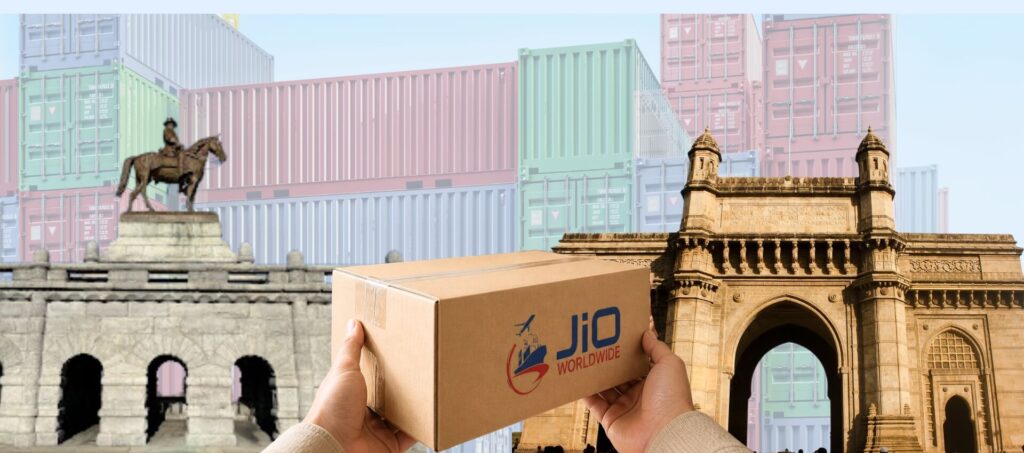
Relocation from Chicago to Mumbai: Everything You Need to Know
Relocating from one side of the world to another is a life-changing experience. It is much more than packing boxes and booking a flight. Moving from Chicago, one of the busiest cities in the United States, to Mumbai, India’s financial capital, means adapting to a new culture, climate, lifestyle, and way of doing everyday tasks. While the transition may seem overwhelming at first, careful planning can make the process much smoother and less stressful.
Whether you’re moving for work, family, education, business, or retirement, understanding what lies ahead will help you make informed decisions. From obtaining the right documents and finding a reliable international moving company to securing housing and managing finances, every step deserves attention. A well-organized relocation plan minimizes unexpected challenges and ensures you settle comfortably in your new home.
Mumbai is a city full of opportunities. It is home to multinational corporations, thriving startups, world-renowned educational institutions, and a vibrant entertainment industry. The city also offers a unique blend of historical landmarks, modern infrastructure, diverse cuisines, and rich cultural traditions. Although Mumbai is fast-paced and densely populated, many expatriates find its energy inspiring and rewarding.
Before making the move, take time to research the city’s neighborhoods, transportation system, healthcare facilities, schools, and living costs. The more prepared you are before departure, the easier it will be to adjust once you arrive. Proper planning also helps you avoid unnecessary expenses and delays during your international relocation.
If you are Moving to Mumbai from Chicago, you’ll quickly notice significant differences in daily life. Chicago experiences four distinct seasons, including snowy winters, while Mumbai has a tropical climate with hot summers, humid monsoons, and mild winters. Traffic patterns, public transportation, local customs, and even shopping habits differ considerably. Embracing these changes with an open mind will make your transition more enjoyable and help you settle into your new environment faster.
Why People Choose to Move from Chicago to Mumbai
Every relocation has a unique story behind it. While some people relocate because of career opportunities, others move to reunite with family or explore new business ventures. Mumbai attracts professionals from around the world thanks to its expanding economy, global business presence, and entrepreneurial ecosystem.
Some of the most common reasons include:
- Corporate job transfers
- Family relocation
- Business expansion
- Higher education
- Returning to India after living abroad
- Investment opportunities
- Retirement planning
Mumbai serves as India’s financial center and hosts the headquarters of numerous domestic and international companies. Professionals working in banking, finance, technology, consulting, media, pharmaceuticals, and logistics often relocate here to pursue career growth.
Planning Your Move Months in Advance
International relocation requires considerably more preparation than a domestic move. Ideally, you should begin planning at least three to six months before your intended moving date.
Create a detailed relocation checklist covering every important task. Include visa applications, passport validity, shipping arrangements, financial planning, accommodation research, medical records, school transfers, and utility cancellations.
Breaking your move into smaller tasks makes the entire process easier to manage.
A typical timeline might look like this:
Three to Six Months Before Moving
- Renew passports if needed.
- Research visa requirements.
- Request moving company quotations.
- Create a moving budget.
- Organize important documents.
- Decide what to ship and what to sell.
Two Months Before Departure
- Book your international movers.
- Reserve flight tickets.
- Inform your employer.
- Notify banks and insurance providers.
- Arrange temporary accommodation if necessary.
One Month Before Departure
- Pack non-essential belongings.
- Cancel local memberships.
- Forward your mail.
- Backup important digital files.
- Confirm shipping schedules.
Choosing an International Moving Company
One of the biggest decisions you’ll make is selecting an experienced international relocation company.
A reputable mover should offer:
- Door-to-door moving services
- Professional packing
- Customs clearance assistance
- Marine insurance
- Shipment tracking
- Temporary storage solutions
- Furniture assembly at destination
Always compare multiple quotes before making your decision. The cheapest option is not always the best. Consider the company’s experience, customer reviews, insurance coverage, and response time.
Ask questions like:
- Are there hidden charges?
- Is customs clearance included?
- What items are prohibited?
- What is the estimated delivery timeline?
- Is packing material included?
Choosing an experienced mover significantly reduces stress throughout your relocation.
Understanding Visa Requirements
Before relocating, make sure you have the appropriate visa based on your purpose of travel.
Common visa categories include:
Employment Visa
Issued to professionals working with Indian companies or multinational organizations.
Business Visa
Suitable for entrepreneurs, investors, and business professionals.
Student Visa
Required for individuals enrolling in educational institutions.
Entry Visa
Typically used for family members or specific long-term purposes.
Always verify document requirements well in advance, as processing times can vary depending on your circumstances.
Preparing Your Important Documents
Keep both digital and physical copies of essential paperwork.
Your document folder should include:
- Passport
- Visa
- Birth certificates
- Marriage certificate
- Academic records
- Medical records
- Vaccination history
- Insurance policies
- Employment documents
- Driver’s license
- Financial records
Store digital backups securely in cloud storage so you can access them from anywhere.
Shipping Household Goods
International shipping involves much more than loading boxes into a container.
Most movers offer two shipping methods.
Air Freight
Air freight is the fastest shipping option but comes with a higher cost. It works well for urgent belongings, personal documents, electronics, and essential household items needed immediately after arrival.
Sea Freight
Sea freight is more economical for large household shipments. Although transit times are longer, it remains the preferred option for families relocating with furniture, appliances, and multiple boxes.
Professional packing plays an important role in protecting your belongings throughout international transit. Fragile items should be packed using high-quality cushioning materials, while valuable electronics require specialized handling.
Customs Regulations
India has customs regulations governing imported household goods.
Prepare an inventory listing every shipped item along with approximate values.
Restricted or prohibited items may include:
- Firearms
- Certain chemicals
- Hazardous materials
- Narcotics
- Explosives
- Counterfeit products
Your moving company can guide you through customs documentation and help ensure compliance with current regulations.
Budgeting Your Relocation
An international move involves several expenses beyond transportation.
Common costs include:
- International shipping
- Packing services
- Marine insurance
- Airfare
- Visa fees
- Temporary accommodation
- Rental deposits
- Utility setup
- Local transportation
- Furniture purchases
- Emergency expenses
Creating a realistic budget helps prevent financial surprises after arrival.
Many families also maintain an emergency relocation fund to cover unexpected costs such as shipment delays, temporary hotel stays, or medical needs during the transition.
Finding the Right Neighborhood in Mumbai
Mumbai offers neighborhoods suited to different lifestyles and budgets.
When choosing where to live, consider:
- Distance from your workplace
- School availability
- Healthcare facilities
- Public transportation
- Grocery stores
- Safety
- Lifestyle preferences
Popular residential areas often include business districts, family-friendly suburbs, and premium waterfront neighborhoods. Visiting multiple areas before signing a lease can help you make a more informed decision.
Renting vs. Buying Property
Most newcomers choose to rent before purchasing property.
Renting allows you to:
- Explore different neighborhoods.
- Understand commuting times.
- Learn local market conditions.
- Avoid large upfront investments.
Once you’ve become familiar with the city, you can evaluate whether buying property aligns with your long-term plans.
Cost of Living in Mumbai
One of the biggest adjustments after relocating from Chicago is understanding the cost of living in Mumbai. While certain expenses, such as domestic help and public transportation, are generally more affordable, premium housing in desirable neighborhoods can be quite expensive. Your overall expenses will depend on your lifestyle, family size, and preferred location.
Monthly costs typically include:
- Rent
- Electricity and water
- Internet and mobile services
- Groceries
- Transportation
- Dining out
- Healthcare
- School fees (if applicable)
- Entertainment
- Miscellaneous household expenses
Planning a monthly budget before your move can help you manage your finances more effectively during the first few months.
Healthcare in Mumbai
Mumbai is home to numerous multi-specialty hospitals, private clinics, and healthcare centers that offer excellent medical services. Many doctors are internationally trained, and English is widely spoken in medical facilities, making communication easier for expatriates.
Before relocating, consider the following:
- Purchase international or local health insurance.
- Carry copies of your medical records.
- Bring enough prescription medications for the initial weeks.
- Identify nearby hospitals before moving into your new home.
- Learn how emergency medical services operate in your neighborhood.
Having a healthcare plan in place provides peace of mind, especially during the initial adjustment period.
Education Options for Families
Families relocating with children will find a variety of educational choices in Mumbai.
Available options include:
- International schools
- CBSE schools
- ICSE schools
- IB curriculum schools
- Cambridge curriculum schools
If your children are transferring from schools in Chicago, request academic transcripts and recommendation letters well before your departure. Admission procedures may require interviews, entrance assessments, and additional documentation.
Choosing a school close to your residence can also reduce commuting time and improve your child’s daily routine.
Banking and Financial Planning
Managing your finances efficiently is an important part of settling into your new life.
Once you arrive in India, consider opening a local bank account for day-to-day transactions. Having an Indian account makes it easier to pay rent, utility bills, school fees, and other recurring expenses.
Keep these financial tasks in mind:
- Notify your U.S. bank about your move.
- Update your mailing address.
- Maintain digital access to your accounts.
- Learn about currency exchange rates.
- Understand any applicable tax obligations in both countries.
Consulting a tax professional can be beneficial if you have income or investments in multiple countries.
Transportation Around Mumbai
Unlike Chicago, where many residents rely on personal vehicles, Mumbai offers a wide range of public transportation options.
Common modes of transport include:
- Local trains
- Metro rail
- Public buses
- Auto-rickshaws
- Taxis
- App-based ride services
Traffic congestion is common during peak hours, so choosing accommodation close to your workplace can significantly reduce commuting time.
Many newcomers initially depend on ride-sharing services before becoming familiar with local transportation networks.
Adjusting to Daily Life
Every international relocation comes with an adjustment period. Everyday activities such as grocery shopping, banking, ordering food, or finding household services may feel unfamiliar during your first few weeks.
The key to a successful Relocation from Chicago to Mumbai is maintaining realistic expectations and giving yourself enough time to adapt. Rather than trying to recreate your old lifestyle immediately, embrace local customs, explore nearby markets, and build new routines. Joining community groups, attending local events, and connecting with fellow expatriates can also make the transition much easier.
Simple habits such as learning basic local phrases, understanding traffic patterns, and becoming familiar with neighborhood services will gradually increase your confidence.
Cultural Differences
Chicago and Mumbai each have unique cultural identities.
Mumbai is known for its diversity, hospitality, and vibrant social life. People from different regions, languages, and backgrounds live together, creating an exciting multicultural environment.
Some cultural differences you may notice include:
- Festivals are celebrated on a large scale.
- Family values play an important role in daily life.
- Street markets are lively and bustling.
- Dining schedules may differ from those in the United States.
- Negotiation is common in local markets.
- Social interactions are often warm and welcoming.
Approaching these differences with curiosity rather than comparison will help you enjoy your new surroundings.
Climate and Weather
Weather is another major adjustment for people relocating from Chicago.
Chicago experiences cold winters with snowfall and comfortable summers. Mumbai, on the other hand, has a tropical climate characterized by:
- Hot summers
- Heavy monsoon rains
- Mild winters
- High humidity for much of the year
Lightweight clothing, breathable fabrics, umbrellas, and waterproof footwear become essential, especially during the monsoon season.
Air conditioning is common in homes and offices due to the warm climate.
Employment Opportunities
Mumbai is India’s commercial powerhouse and offers career opportunities across numerous industries.
Popular sectors include:
- Banking
- Finance
- Information Technology
- Pharmaceuticals
- Consulting
- Logistics
- Manufacturing
- Digital Marketing
- Media
- Entertainment
- E-commerce
Professionals with international experience often find attractive opportunities in multinational companies operating in Mumbai.
Before relocating, update your resume, professional networking profiles, and employment documents to reflect your latest experience and qualifications.
Building a New Social Network
Moving to a new city can feel isolating initially, but Mumbai offers countless opportunities to meet people.
Consider joining:
- Professional networking groups
- Sports clubs
- Fitness centers
- Community organizations
- Volunteer groups
- Cultural associations
- Hobby clubs
Building relationships takes time, but a supportive social network can make your relocation experience much more enjoyable.
Common Challenges During International Relocation
While every move is unique, certain challenges are common among international relocations.
These may include:
- Shipping delays
- Customs clearance issues
- Temporary housing arrangements
- Currency adjustments
- Communication with service providers
- Cultural adaptation
- Time zone differences
- Finding reliable household services
Preparing for these possibilities reduces stress and helps you respond calmly if unexpected situations arise.
Tips for a Smooth Relocation
Following a few practical strategies can significantly improve your relocation experience.
- Begin planning several months in advance.
- Hire experienced international movers.
- Keep important documents easily accessible.
- Label every moving box clearly.
- Purchase comprehensive moving insurance.
- Carry essential items in your hand luggage.
- Create a realistic moving budget.
- Stay flexible throughout the relocation process.
- Research your new neighborhood thoroughly.
- Maintain regular communication with your moving company.
Patience and organization are often the two most valuable qualities during an international move.
Mistakes to Avoid
Many relocation challenges can be prevented with proper planning.
Avoid these common mistakes:
- Waiting until the last minute to organize paperwork.
- Underestimating shipping timelines.
- Ignoring customs regulations.
- Forgetting to purchase insurance.
- Packing prohibited items.
- Choosing movers based solely on price.
- Failing to research housing options.
- Not budgeting for unexpected expenses.
Learning from others’ experiences can save both time and money.
Final Thoughts
Relocating from Chicago to Mumbai marks the beginning of an exciting new chapter. Although the process requires careful planning and patience, the rewards often outweigh the challenges. From expanding career opportunities and reconnecting with family to experiencing India’s vibrant culture, the move offers countless possibilities for personal and professional growth.
Success depends on preparation, flexibility, and a willingness to embrace change. By organizing your documents, selecting a reputable international moving company, planning your finances, and learning about your new city, you’ll be well-equipped for a smooth transition.
Every relocation comes with a learning curve, but with the right mindset and a detailed plan, you’ll soon feel at home in one of the world’s most dynamic and energetic cities.
Frequently Asked Questions
How long does it take to relocate from Chicago to Mumbai?
The overall process typically takes several weeks to a few months, depending on visa processing, shipping methods, customs clearance, and personal preparations.
Should I use air freight or sea freight?
Air freight is faster but more expensive, while sea freight is generally the preferred option for transporting large household shipments due to its cost-effectiveness.
Is Mumbai a good place for expatriates?
Yes. Mumbai is home to a large expatriate community and offers excellent career opportunities, quality healthcare, international schools, and diverse cultural experiences.
How much money should I budget for the move?
Your relocation budget depends on shipment size, travel arrangements, housing preferences, insurance, visa fees, and lifestyle. Obtaining multiple moving quotes helps estimate costs more accurately.
What should I pack in my carry-on luggage?
Carry essential documents, medications, valuable electronics, chargers, a few changes of clothes, important financial records, and other necessities you’ll need immediately after arrival.
How can I make the transition easier?
Start planning early, research your destination thoroughly, stay organized, hire experienced international movers, and remain open to adapting to your new surroundings. A positive attitude and realistic expectations can make settling into Mumbai much smoother.