Modern Festive Fashion Ideas for Children’s Traditional Outfits
Festivals arrive like bursts of color—unexpected, vibrant, and full of emotion. And when it comes to dressing children for these occasions, the balance between tradition and comfort becomes both an art and a challenge. Parents today are no longer satisfied with just “cute” outfits; they want something expressive, culturally rooted, yet refreshingly modern. The result? A fascinating evolution in children’s festive fashion that blends heritage fabrics with contemporary design sensibilities.
Children’s traditional outfits have stepped out of the predictable zone. No longer confined to basic kurta-pajamas or lehenga sets, today’s festive wear for kids features playful cuts, bold palettes, experimental layering, and a surprising attention to detail. Think asymmetrical hemlines, Indo-western fusions, and miniature versions of adult couture. The shift is evident—kids’ fashion is not just about dressing up anymore; it’s about storytelling through fabric.
The Rise of Fusion Wear for Kids
One of the most noticeable trends is fusion wear. Designers are creatively merging Western silhouettes with traditional Indian textiles to craft outfits that feel both festive and wearable. For instance, pairing a Nehru jacket with denim or styling a lehenga skirt with a crop top-style blouse brings a fresh twist to classic attire.
This fusion approach works particularly well for children. It allows ease of movement—something kids value more than aesthetics—while still maintaining a festive vibe. A dhoti-style jumpsuit or a kurta layered with a bomber jacket instantly elevates the look without making it feel rigid or uncomfortable.
Fabrics That Speak Comfort and Style
Fabric choice plays a crucial role in children’s festive clothing. Gone are the days when heavy silk and stiff brocade dominated the scene. Today, breathable fabrics like cotton silk, linen blends, and soft georgette are gaining popularity. These materials not only look elegant but also ensure that children can enjoy the festivities without feeling restricted.
Parents are becoming more conscious about skin-friendly textiles. Organic cotton and handwoven fabrics are increasingly preferred, especially for younger kids. These materials reduce irritation and allow better airflow, which is essential during long celebrations.
Color Palettes: Beyond the Obvious
Bright reds, royal blues, and deep greens still hold their charm, but modern festive fashion for kids is exploring softer, more experimental tones. Pastel shades like mint green, powder blue, and blush pink are making a strong statement. At the same time, earthy hues—mustard yellow, rust orange, and olive green—are gaining traction for their understated elegance.
What’s interesting is how these colors are being combined. Contrasting dupattas, embroidered borders, and playful prints add layers of visual intrigue. Even monochrome outfits are being styled with textured fabrics and subtle embellishments to avoid monotony.
Personalization: A Growing Trend
Customization is no longer limited to adult fashion. Parents now seek personalized outfits for their children, whether it’s monogrammed initials, favorite motifs, or unique color combinations. This trend reflects a broader shift toward individuality in fashion.
Handcrafted elements—like hand embroidery, block printing, and mirror work—add a personal touch that mass-produced garments often lack. These details make the outfit feel special, almost like a keepsake rather than just another piece of clothing.
Where Tradition Meets Accessibility
In today’s digital world, shopping for festive outfits has become incredibly convenient. With a few clicks, parents can explore countless styles, compare options, and even customize designs. This accessibility has made it easier than ever to Buy Indian ethnic wear for kids without compromising on quality or style.
Online platforms have also introduced parents to regional styles they might not have considered otherwise—be it a Bengali dhoti kurta, a South Indian silk pavadai, or a Rajasthani bandhani lehenga. The exposure is broadening fashion choices and encouraging cultural appreciation from a young age.
Styling Boys: Beyond the Basics
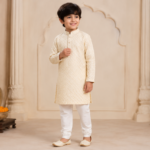
Boys’ festive fashion has undergone a significant transformation. While the classic kurta-pajama remains a staple, it is now being reimagined with modern cuts and detailing. Asymmetrical kurtas, printed jackets, and layered ensembles are becoming increasingly popular.
Adding a waistcoat or a stylish stole can instantly enhance a simple outfit. Footwear, too, plays a role—mojris and juttis in vibrant colors or embroidered patterns complete the look effortlessly. Accessories like brooches or pocket squares add just the right amount of flair.
Styling Girls: Elegance with Playfulness
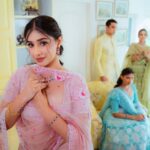
For girls, festive fashion is a playground of possibilities. From lehengas with capes to anarkalis with contemporary cuts, the options are endless. Designers are focusing on lightweight constructions that allow freedom of movement while maintaining a festive appeal.
Layering is a key trend—think sheer jackets over lehengas or dupattas styled in unconventional ways. Floral prints, sequin work, and subtle shimmer fabrics are being used to create outfits that are both eye-catching and comfortable.
The Role of Accessories
Accessories can transform even the simplest outfit into something extraordinary. For children, however, the focus should be on lightweight and safe options. Hairbands, small bangles, and soft fabric dupattas are ideal for younger kids.
Footwear should be both stylish and practical. Soft-soled juttis or sandals ensure comfort during long hours of celebration. Avoid overly heavy or restrictive accessories that might hinder movement or cause discomfort.
Sustainability in Kids’ Festive Fashion
Sustainability is gradually becoming a priority in children’s fashion. Parents are now considering the environmental impact of their purchases. As a result, there is a growing demand for eco-friendly fabrics, natural dyes, and ethically produced garments.
Another interesting trend is the idea of “heirloom clothing.” Instead of buying new outfits for every occasion, parents are investing in high-quality pieces that can be passed down or reused. This approach not only reduces waste but also adds sentimental value to the clothing.
Seasonal Considerations
Festivals in India span across different seasons, and dressing children appropriately is essential. For summer festivals, lightweight fabrics and sleeveless or short-sleeved designs work best. In contrast, winter celebrations call for layered outfits—shawls, jackets, and thicker fabrics.
Rainy season festivities require quick-drying materials and shorter hemlines to avoid discomfort. Being mindful of the weather ensures that children remain comfortable and enjoy the celebrations to the fullest.
Cultural Influence and Regional Diversity
India’s rich cultural diversity is beautifully reflected in its traditional clothing. Each region offers unique styles, fabrics, and craftsmanship. Introducing children to these variations through their festive outfits can be a meaningful way to connect them with their heritage.
For instance, a Punjabi patiala suit, a Gujarati chaniya choli, or a Kerala kasavu set each tells a different story. Mixing elements from different regions can also create a distinctive and modern look.
Practical Tips for Parents
While style is important, practicality should never be overlooked. Choose outfits that are easy to wear and remove, especially for younger children. Avoid overly complicated designs that might cause frustration.
Ensure that the outfit allows free movement—children should be able to run, play, and sit comfortably. Always check for skin-friendly materials and avoid harsh embellishments that might cause irritation.
It’s also wise to involve children in the selection process. Letting them choose colors or styles gives them a sense of ownership and makes them more excited about dressing up.
The Future of Children’s Festive Fashion
The future looks promising—and exciting. With designers continuously experimenting and parents becoming more style-conscious, children’s festive fashion is set to evolve even further. Technology, too, will play a role, with virtual fittings and AI-based customization becoming more common.
What remains constant, however, is the essence of tradition. No matter how modern the designs become, the cultural roots of festive clothing will always hold significance. This delicate balance between old and new is what makes children’s festive fashion so unique.
Final Thoughts
Dressing children for festivals is about more than just aesthetics—it’s about creating memories. The laughter, the photos, the shared moments of joy—all of it becomes part of a larger narrative. And the outfits? They become a visual reminder of those cherished times.
Modern festive fashion offers endless possibilities. It allows parents to experiment, children to express themselves, and traditions to evolve. Whether it’s a fusion ensemble, a handcrafted classic, or a personalized creation, the goal remains the same: to celebrate with style, comfort, and a touch of magic.