Ethnic Wear for Men: How to Choose Perfect Outfits for Every Occasion
Ethnic wear for men has always carried a certain charm—timeless, expressive, and deeply rooted in culture. It’s not just clothing; it’s a reflection of tradition blended with evolving style. Whether it’s a grand wedding, a festive celebration, or a casual cultural gathering, the right ethnic outfit can instantly elevate your presence. But here’s the catch: choosing the perfect outfit isn’t always straightforward.
With so many styles, fabrics, and fits available today, it’s easy to feel overwhelmed. Should you go for a classic kurta or a regal sherwani? Is a Nehru jacket enough, or do you need something more elaborate? The answer lies in understanding the occasion, your personal style, and how to strike a balance between comfort and sophistication.
Let’s break it down step by step.
Understanding the Basics of Ethnic Wear for Men
Before diving into outfit selection, it helps to understand the core pieces that define men’s ethnic fashion. These staples form the foundation of your wardrobe and can be mixed and matched in countless ways.
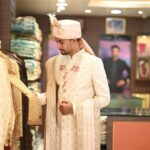
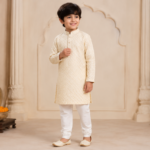
A kurta pajama is the most versatile option—simple, elegant, and suitable for almost any occasion. Then comes the sherwani, often associated with weddings and formal events, offering a more royal and structured look. The Nehru jacket, on the other hand, acts as a style enhancer, instantly adding depth to even the simplest kurta.
There are also bandhgalas, pathani suits, and dhoti sets, each bringing its own flavor. The key is not to own everything but to understand what works for you.
Choosing Ethnic Wear Based on Occasion
Not every outfit fits every occasion. Wearing a heavily embroidered sherwani to a casual gathering? That’s overkill. Showing up at a wedding in a plain cotton kurta? You might feel underdressed.
Festive Celebrations
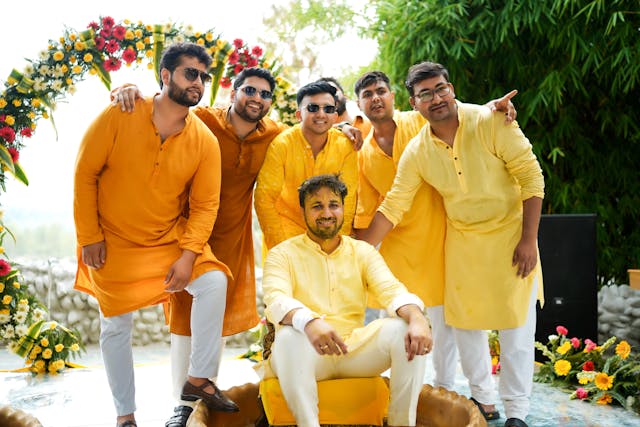
Festivals like Diwali, Eid, or Navratri call for vibrant colors and comfortable fabrics. Think silk kurtas, light embroidery, or printed designs. Pair them with churidars or even modern trousers for a fresh twist.
Bright hues like maroon, mustard, royal blue, and emerald green work beautifully during festive times. Don’t shy away from subtle embellishments—they add just enough sparkle without going overboard.
Weddings and Grand Events
This is where you can truly go all out. Weddings demand elegance, and your outfit should reflect the grandeur of the event. Sherwanis, heavily embroidered kurtas, or layered outfits with dupattas are ideal.
Rich fabrics like velvet, brocade, and silk dominate here. Colors such as gold, ivory, deep burgundy, and navy blue are classic choices. Accessories—like brooches, stoles, or mojaris—complete the look.
Casual Gatherings and Day Events
For smaller events or daytime functions, simplicity wins. Cotton or linen kurtas in pastel shades or earthy tones are perfect. You can pair them with jeans or straight pants for a semi-ethnic vibe.
This is where comfort takes center stage. Breathable fabrics and relaxed fits ensure you look good without feeling restricted.
Why Fabric Matters More Than You Think
Fabric isn’t just about appearance—it directly affects how you feel. A well-chosen fabric can make even a simple outfit stand out, while the wrong one can ruin the entire experience.
Silk and brocade are luxurious but can feel heavy, especially in warmer climates. Cotton and linen, on the other hand, are breathable and ideal for long hours. Blended fabrics offer a middle ground, combining comfort with a polished look.
If you plan to Buy Ethnic Wear for Men Online, always check fabric details carefully. Images can be deceiving, but fabric descriptions give you a clearer idea of what to expect.
Finding the Right Fit
Fit is everything. Even the most expensive outfit can look unimpressive if it doesn’t fit well. Ethnic wear should neither be too tight nor too loose—it should complement your body shape.
A well-fitted kurta should sit comfortably on your shoulders, with sleeves ending just at the wrist. The length should ideally fall around the knee. Pajamas or churidars should taper neatly without bunching excessively.
Tailoring can make a huge difference. Off-the-rack outfits are convenient, but a slight alteration can transform your look entirely.
Color Coordination and Skin Tone
Choosing the right color isn’t just about trends—it’s about what suits you. Your skin tone plays a significant role in how a color appears on you.
If you have a warmer skin tone, shades like cream, beige, mustard, and olive work beautifully. For cooler tones, colors like navy, charcoal, and jewel tones stand out. Neutral shades like white and black are universally flattering but can be enhanced with contrasting accessories.
Don’t be afraid to experiment. Sometimes, stepping out of your comfort zone leads to the best style discoveries.
The Role of Accessories
Accessories are often underestimated, yet they can completely transform your outfit. A simple kurta can look festive with the right additions.
Consider items like:
- Mojaris or traditional footwear
- Pocket squares
- Brooches
- Stoles or dupattas
- Watches or bracelets
The trick is moderation. Too many accessories can clutter your look, while the right amount adds sophistication.
Seasonal Considerations
Your outfit should align with the season as much as the occasion. Wearing heavy fabrics in summer? That’s a recipe for discomfort.
Summer
Opt for light fabrics like cotton and linen. Stick to pastel shades and minimal embroidery. Breathability is key.
Winter
This is your chance to layer up. Wool blends, velvet jackets, and shawls not only keep you warm but also enhance your style. Darker shades work particularly well during colder months.
Monsoon
Choose fabrics that dry quickly and avoid long hemlines that may get dirty. Simpler designs work best here.
Mixing Tradition with Modern Style
Modern ethnic wear isn’t about sticking strictly to tradition—it’s about evolving it. You can pair a kurta with denim, wear sneakers instead of traditional footwear, or layer a jacket over a classic outfit.
Fusion wear is gaining popularity because it offers flexibility. It allows you to express your personality while still respecting cultural roots.
Common Mistakes to Avoid
Even with the best intentions, it’s easy to make style mistakes. Here are a few to watch out for:
- Overdressing or underdressing for the occasion
- Ignoring fit and focusing only on design
- Choosing uncomfortable fabrics
- Over-accessorizing
- Sticking to the same style without experimenting
Being mindful of these can save you from unnecessary fashion mishaps.
Building a Versatile Ethnic Wardrobe
Instead of buying outfits for one-time use, focus on building a wardrobe that offers versatility. Invest in a few high-quality pieces that can be styled differently.
A neutral kurta, a well-fitted Nehru jacket, and a classic pair of churidars can be mixed and matched to create multiple looks. This approach is not only cost-effective but also practical.
Confidence: The Final Touch
No matter how perfect your outfit is, confidence is what truly brings it to life. The way you carry yourself matters just as much as what you wear.
Stand tall. Be comfortable. Own your style.
Because at the end of the day, ethnic wear isn’t just about looking good—it’s about feeling connected to your roots while expressing who you are.
Final Thoughts
Choosing the perfect ethnic outfit doesn’t have to be complicated. It’s about understanding the occasion, selecting the right fabric, ensuring a good fit, and adding your personal touch.
Fashion trends will come and go, but style—real style—stays with you. So the next time you’re picking out ethnic wear, take a moment. Think about what suits you, what feels right, and what makes you confident.
That’s the outfit you should wear.