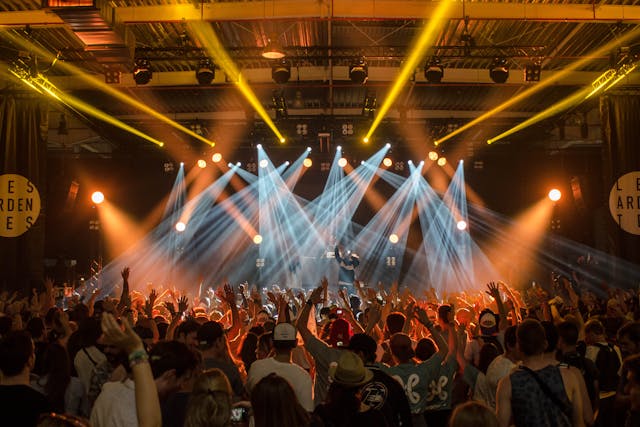
Best Stage Lights for Live Shows and Events in the USA
Table of Contents
- 1 Introduction: Why Stage Lighting Makes or Breaks a Live Show
- 2 The Evolution of Stage Lighting in Live Events
- 3 Why Choosing the Right Stage Lights Matters
- 4 Understanding Different Types of Stage Lights
- 5 How to Choose the Best Stage Lights for Your Live Show
- 6 Best Stage Lights for Concerts
- 7 Best Stage Lights for Theater Productions
- 8 Best Stage Lights for Corporate Events
- 9 Best Stage Lights for Outdoor Events
- 10 The Role of Lighting Control in Live Shows
- 11 Energy Efficiency and Sustainability
- 12 Safety Considerations in Stage Lighting
- 13 Common Mistakes When Buying Stage Lights
- 14 Future Trends in Stage Lighting for Live Events
- 15 How Professional Lighting Elevates Audience Experience
- 16 Conclusion: Investing in the Right Stage Lights Pays Off
- 17 Frequently Asked Questions (FAQs)
Introduction: Why Stage Lighting Makes or Breaks a Live Show
Walk into any unforgettable live show—concert, theater performance, corporate launch, or festival—and one thing becomes instantly clear: lighting isn’t just decoration. It’s storytelling. It directs attention, builds emotion, and transforms a simple stage into an immersive experience. In the USA, where live entertainment standards are high, choosing the right stage lights is not optional—it’s essential.
Stage lighting today has evolved far beyond basic spotlights. Modern systems combine technology, creativity, and precision to deliver jaw-dropping visuals. Whether you’re a production manager, event planner, venue owner, or touring artist, understanding which stage lights work best for live shows can save you money, stress, and last-minute disasters.
The Evolution of Stage Lighting in Live Events
Stage lighting has come a long way from incandescent bulbs and manual dimmers. Early systems were bulky, hot, and power-hungry. Fast forward to today, and LED technology, intelligent lighting, and digital controls dominate the scene.
Modern stage lights are brighter, lighter, more energy-efficient, and far more flexible. Lighting designers can now program entire shows in advance, sync lights with music, and control everything wirelessly. This evolution has made professional lighting accessible not only to large arenas but also to small venues and mobile event setups.
Why Choosing the Right Stage Lights Matters
Every live show has a purpose—entertain, inspire, inform, or celebrate. Lighting plays a direct role in achieving that purpose. Poor lighting can flatten performances, distract audiences, or even cause safety issues. Great lighting, on the other hand, amplifies emotion and keeps audiences fully engaged.
The right stage lights ensure:
- Clear visibility of performers
- Smooth transitions between scenes
- Strong visual impact
- Consistent performance under pressure
By the fourth paragraph of planning your setup, it’s also the right time to think about where and how you Buy Stage Lights, because quality, reliability, and support matter just as much as brightness and color.
Understanding Different Types of Stage Lights
Not all stage lights serve the same purpose. Knowing the main categories helps you build a balanced and effective lighting setup.
LED PAR Lights: The Workhorse of Stage Lighting
LED PAR lights are among the most widely used fixtures in live shows. They provide even color washes, are energy-efficient, and stay cool during long performances.
Why they’re popular:
- Low power consumption
- Long lifespan
- Wide color options
- Ideal for backlighting and general washes
These lights are perfect for concerts, churches, small theaters, and event stages.
Moving Head Lights: Dynamic and Eye-Catching
If you’ve ever watched beams sweep across a crowd or lights dance in sync with music, you’ve seen moving head lights in action. These intelligent fixtures rotate, tilt, and change colors automatically.
Best uses include:
- Concerts and festivals
- High-energy live shows
- DJ performances
- Corporate events with dramatic effects
They add motion and excitement that static lights simply can’t match.
Spotlights: Focus Where It Matters
Spotlights do exactly what their name suggests—they focus attention on a specific performer or area. In live shows, they’re essential for highlighting lead performers, speakers, or key moments.
They’re commonly used in:
- Theater productions
- Award shows
- Corporate presentations
Wash Lights: Smooth and Even Coverage
Wash lights flood the stage with consistent color. Unlike spotlights, they don’t draw attention to one point but create an overall atmosphere.
Wash lights are excellent for:
- Background illumination
- Mood setting
- Scene transitions
Beam Lights: Sharp and Powerful Visuals
Beam lights produce narrow, intense beams that cut through fog and haze. They’re visually striking and often used in large venues.
These are ideal for:
- EDM concerts
- Nightclubs
- Large-scale festivals
Strobe Lights: High-Impact Moments
Strobe lights are used sparingly but effectively. When timed correctly, they create dramatic emphasis during beats, drops, or climactic moments.
How to Choose the Best Stage Lights for Your Live Show
Selecting stage lights isn’t about buying the most expensive fixtures—it’s about choosing the right tools for your specific needs.
Venue Size and Layout
A small indoor venue doesn’t need the same lighting power as an outdoor festival stage. Measure your space, ceiling height, and distance from audience to stage before selecting fixtures.
Type of Event
A theater production requires subtle, controlled lighting, while a rock concert thrives on movement and intensity. Always match lighting style to the event’s purpose.
Portability and Setup Time
For touring shows and mobile events, lightweight and quick-setup lights are a huge advantage. LED fixtures usually win here.
Control Systems and Compatibility
Modern stage lights often rely on DMX controllers or lighting software. Make sure all fixtures are compatible with your control system to avoid technical headaches.
Budget vs Long-Term Value
Cheap lights can fail mid-show. High-quality lights cost more upfront but deliver consistent performance and durability over time.
Best Stage Lights for Concerts
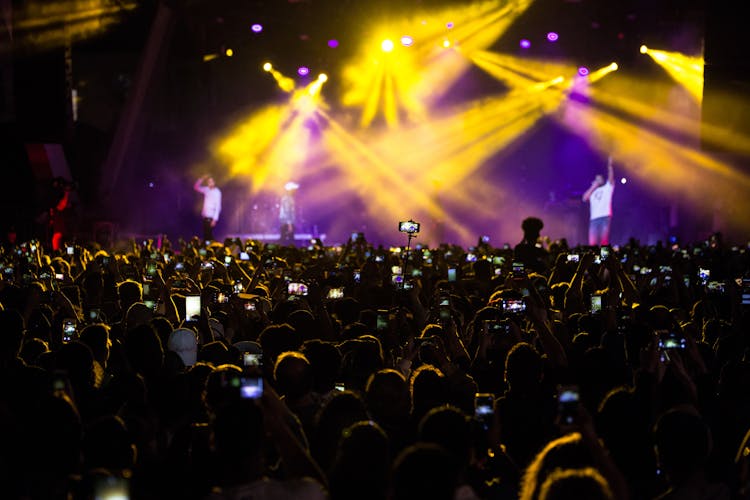
Concert lighting demands power, movement, and color flexibility. A strong setup often includes:
- Moving head beams
- LED PAR washes
- Strobe lights
- Haze machines for beam visibility
These elements work together to create a high-energy visual experience.
Best Stage Lights for Theater Productions
Theater lighting focuses on storytelling and precision. Key fixtures include:
- Spotlights
- Fresnel lights
- Soft wash lights
Smooth fades and accurate color rendering are more important here than flashy effects.
Best Stage Lights for Corporate Events
Corporate lighting needs to look professional and polished. Clean white light, subtle color accents, and controlled transitions work best.
Popular choices include:
- LED wash lights
- Profile spotlights
- Minimal moving effects
Best Stage Lights for Outdoor Events
Outdoor shows require higher brightness levels to compete with ambient light. Weather resistance is also a major factor.
Look for:
- High-output LED fixtures
- Durable housings
- Strong mounting systems
The Role of Lighting Control in Live Shows
Lighting fixtures are only as good as the system controlling them. DMX controllers and lighting software allow operators to program scenes, cues, and transitions.
Advanced systems enable:
- Music-synchronized lighting
- Automated movement patterns
- Real-time adjustments during shows
Good control turns individual lights into a cohesive visual performance.
Energy Efficiency and Sustainability
LED stage lights have revolutionized energy usage in live events. They consume less power, generate less heat, and reduce overall operating costs.
For venues running frequent shows, this translates to:
- Lower electricity bills
- Reduced cooling needs
- Longer equipment lifespan
Safety Considerations in Stage Lighting
Safety should never be overlooked. Proper mounting, cable management, and heat control are critical in live environments.
Always ensure:
- Fixtures are securely rigged
- Electrical loads are within limits
- Emergency lighting is available
Common Mistakes When Buying Stage Lights
Many buyers make the mistake of focusing only on brightness or price. Other common errors include:
- Ignoring compatibility
- Overbuying unnecessary effects
- Underestimating power requirements
Avoiding these mistakes saves time and money.
Future Trends in Stage Lighting for Live Events
The future of stage lighting is intelligent, connected, and immersive. Expect to see:
- Wireless DMX systems
- App-controlled lighting
- Integration with video and projection mapping
- AI-assisted lighting design
Staying ahead of these trends keeps your shows fresh and competitive.
How Professional Lighting Elevates Audience Experience
Great lighting doesn’t call attention to itself—it enhances the experience seamlessly. Audiences may not consciously analyze the lights, but they feel the difference.
Lighting influences:
- Emotional engagement
- Focus and attention
- Perceived production quality
In live entertainment, perception is everything.
Conclusion: Investing in the Right Stage Lights Pays Off
Choosing the best stage lights for live shows and events in the USA is both an art and a science. It requires understanding your venue, audience, and performance goals. With the right mix of fixtures, control systems, and planning, lighting becomes a powerful storytelling tool rather than just technical equipment.
When you invest in quality stage lights, you’re not just illuminating a stage—you’re creating moments people remember long after the show ends.
Frequently Asked Questions (FAQs)
1. What are the best stage lights for beginners?
LED PAR lights are ideal for beginners due to their versatility, affordability, and ease of use.
2. Are moving head lights necessary for live shows?
They’re not mandatory, but they significantly enhance visual impact, especially for concerts and high-energy events.
3. How many stage lights do I need for a live event?
It depends on venue size, stage dimensions, and event type. Small venues may need 6–10 fixtures, while large stages require much more.
4. Can stage lights be used outdoors?
Yes, but they must be designed for outdoor use or properly protected from weather conditions.
5. Is LED stage lighting better than traditional lighting?
Yes. LED lighting offers better efficiency, longer lifespan, and greater control compared to traditional fixtures.