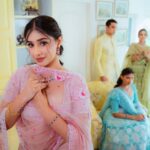
Complete Guide to Women’s Indian Ethnic Wear Styles: Latest Top Trends
Indian ethnic wear is more than just clothing—it’s a reflection of culture, tradition, artistry, and personal expression. From vibrant sarees to elegant lehengas, and from comfortable kurtis to fusion Indo-western outfits, the diversity is breathtaking. What makes it even more exciting is how traditional styles continue to evolve, blending modern aesthetics with age-old craftsmanship.
If you’ve ever felt overwhelmed by the variety—or simply want to stay updated with the latest trends—this guide walks you through everything you need to know about women’s Indian ethnic wear.
Understanding Indian Ethnic Wear: A Cultural Canvas
India’s ethnic wear is deeply rooted in regional traditions. Each state has its own distinct fabrics, embroidery styles, draping techniques, and color palettes. A Banarasi saree from Uttar Pradesh tells a different story compared to a Kanjeevaram saree from Tamil Nadu.
Yet, despite this diversity, there’s a common thread—celebration. Indian ethnic outfits are often worn during festivals, weddings, religious ceremonies, and special occasions. But in recent years, designers have reimagined these pieces, making them suitable for everyday wear too.
Popular Types of Women’s Indian Ethnic Wear
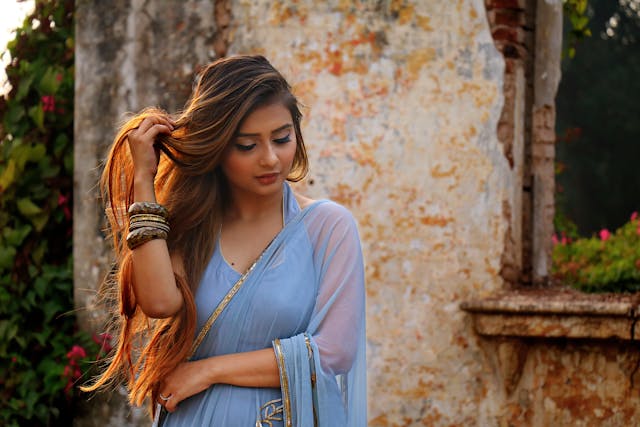
1. Sarees: Timeless Elegance
The saree remains the most iconic Indian attire. A single piece of fabric, usually 5–9 yards long, draped in various styles, can transform into something incredibly graceful.
Popular saree styles include:
- Banarasi sarees (rich silk with zari work)
- Chiffon and georgette sarees (lightweight and flowy)
- Cotton sarees (perfect for daily wear)
- Organza sarees (modern and trendy)
What makes sarees unique is their versatility. You can style them traditionally or experiment with belts, jackets, and crop tops for a contemporary twist.
2. Salwar Kameez: Comfort Meets Style
Salwar kameez is one of the most widely worn ethnic outfits in India. It consists of three pieces:
- Kameez (tunic)
- Salwar or churidar (bottom)
- Dupatta (scarf)
Different variations include:
- Anarkali suits (long, frock-style)
- Straight-cut suits
- Palazzo suits
- Patiala suits
These outfits strike a perfect balance between comfort and elegance, making them ideal for both casual and formal occasions.
3. Lehengas: The Wedding Favorite
Lehengas are synonymous with grandeur. Typically worn during weddings and festive events, they include:
- A flared skirt (lehenga)
- A blouse (choli)
- A dupatta
Modern lehengas come in countless designs—layered, ruffled, embroidered, or even minimalist styles for contemporary bridesmaids.
4. Kurtis and Kurta Sets: Everyday Ethnic Chic
Kurtis have become a wardrobe staple for modern women. They’re easy to wear, stylish, and incredibly versatile.
You can pair kurtis with:
- Jeans
- Leggings
- Palazzos
- Skirts
Kurta sets, on the other hand, offer a more coordinated look and are perfect for office wear, casual outings, or small gatherings.
5. Indo-Western Outfits: Fusion Fashion
As fashion evolves, so does ethnic wear. Indo-western outfits blend traditional elements with modern silhouettes.
Examples include:
- Crop tops with lehenga skirts
- Dhoti pants with short kurtas
- Saree gowns
- Jacket-style ethnic sets
These outfits are especially popular among younger women who want something unique yet rooted in tradition.
The Rise of Online Ethnic Fashion
Shopping for ethnic wear has undergone a major transformation. Earlier, people relied heavily on local markets or boutique stores. Today, digital platforms have made it easier than ever to explore thousands of styles from the comfort of your home.
If you’re planning to Buy Women’s Indian Ethnic Wear Online, you’ll find an endless range of options—different fabrics, designs, price ranges, and customization choices—all just a click away. This convenience has revolutionized how women approach ethnic fashion, especially during festive seasons and wedding shopping.
Latest Trends in Women’s Indian Ethnic Wear
Fashion trends in ethnic wear change just as dynamically as western fashion. Here are some of the latest trends making waves:
1. Pastel Colors Over Bright Hues
While bold reds and maroons have always been wedding favorites, pastel shades like mint green, powder blue, blush pink, and lavender are trending.
These softer tones offer a fresh, modern look and are perfect for daytime events.
2. Minimalist Embroidery
Heavy embroidery is gradually being replaced by subtle, elegant detailing. Think delicate threadwork, light sequins, and understated embellishments.
This trend is ideal for women who prefer sophistication over extravagance.
3. Sustainable Fabrics
Eco-conscious fashion is gaining momentum. Designers are increasingly using:
- Organic cotton
- Handwoven fabrics
- Natural dyes
This shift not only supports artisans but also promotes environmentally friendly practices.
4. Statement Sleeves and Necklines
Designers are experimenting with dramatic sleeves—bell sleeves, puffed sleeves, cape-style overlays—as well as unique necklines.
These elements add a modern twist to traditional outfits.
5. Layering and Jackets
Layering has become a key trend in ethnic fashion. Long jackets, capes, and shrugs are being paired with lehengas, sarees, and kurta sets.
This not only enhances the overall look but also adds versatility.
6. Belted Sarees and Lehengas
Belts are no longer just accessories—they’re now an integral part of ethnic styling.
A well-placed belt can:
- Define your waist
- Add structure to the outfit
- Elevate the overall appearance
Choosing the Right Fabric
Fabric plays a crucial role in how an outfit looks and feels. Some popular choices include:
- Silk: Luxurious and perfect for weddings
- Cotton: Breathable and comfortable for daily wear
- Georgette: Lightweight and flowy
- Chiffon: Soft and elegant
- Velvet: Rich and ideal for winter occasions
Your choice should depend on the occasion, weather, and personal comfort.
Styling Tips for Indian Ethnic Wear
1. Accessorize Smartly
Jewelry can make or break your look. Pair heavy outfits with minimal jewelry and vice versa.
Popular accessories include:
- Jhumkas
- Chandbalis
- Maang tikka
- Bangles
2. Choose the Right Footwear
Footwear should complement your outfit while ensuring comfort.
Options include:
- Juttis
- Mojaris
- Heels
- Kolhapuris
3. Experiment with Hairstyles
Your hairstyle can enhance your overall appearance. Some popular choices:
- Loose curls for a soft look
- Braided styles for traditional vibes
- Sleek buns for elegance
4. Play with Dupattas
Don’t underestimate the power of a dupatta. Draping styles can completely transform your outfit.
Try:
- Over-the-shoulder drape
- Front drape
- Belted drape
Ethnic Wear for Different Occasions
1. Weddings
Go for rich fabrics like silk or velvet with heavy embroidery. Lehengas, sarees, and Anarkali suits are perfect choices.
2. Festivals
Opt for bright colors and comfortable outfits like kurta sets or lightweight sarees.
3. Office Wear
Choose subtle designs with minimal embroidery. Cotton kurtis and straight-cut suits work best.
4. Casual Outings
Keep it simple yet stylish with printed kurtis, palazzo sets, or Indo-western outfits.
Regional Influences in Ethnic Wear
India’s regional diversity adds depth to ethnic fashion:
- North India: Phulkari, Chikankari
- South India: Kanjeevaram silk, temple jewelry
- West India: Bandhani, mirror work
- East India: Tant sarees, Baluchari silk
Incorporating these elements can give your wardrobe a unique cultural touch.
The Future of Indian Ethnic Wear
The future of ethnic wear lies in innovation. Designers are blending technology with tradition—digital prints, smart textiles, and even customizable outfits.
At the same time, there’s a growing appreciation for handmade craftsmanship. This balance between modernity and tradition ensures that Indian ethnic wear will continue to evolve while staying rooted in its heritage.
Final Thoughts
Indian ethnic wear is a beautiful blend of tradition, artistry, and modern fashion. Whether you prefer the timeless elegance of a saree, the comfort of a kurta set, or the glamour of a lehenga, there’s something for everyone.
As trends continue to evolve, one thing remains constant—ethnic wear will always hold a special place in every woman’s wardrobe. It’s not just about looking good; it’s about feeling connected to culture, celebrating individuality, and expressing your unique style.
So, explore, experiment, and embrace the richness of Indian ethnic fashion—because every outfit tells a story, and yours deserves to be unforgettable.