Best Microphone Preamps Explained: Features, Uses, and Tips
When you step into the world of audio recording—whether it’s for music production, podcasting, voiceovers, or live sound—you quickly realize something: capturing great sound isn’t just about the microphone. There’s another silent hero in the chain, often overlooked but absolutely essential—the microphone preamp. It may not look flashy, and it doesn’t always get the spotlight, but it plays a decisive role in shaping the quality of your recordings.
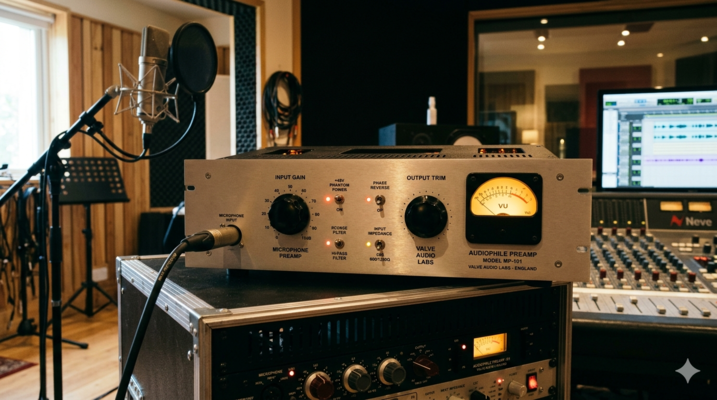
At its core, a microphone preamp (or mic preamp) is responsible for boosting the low-level signal generated by a microphone to a usable level. Microphones typically produce very weak electrical signals. Without amplification, these signals would be too quiet and noisy to record properly. This is where the preamp steps in, elevating that signal while preserving clarity, detail, and tone.
But here’s the catch—not all preamps are created equal. Some are clean and transparent, while others add warmth, color, and character. Some are built into audio interfaces, while others exist as standalone units designed for professional-grade recordings. Understanding the differences between them can dramatically impact your sound quality.
If you’re planning to upgrade your recording setup or simply want to understand how to achieve better audio results, you’re in the right place. Let’s break down everything you need to know about microphone preamps—features, uses, types, and practical tips that actually matter.
What Is a Microphone Preamp?
A microphone preamp is essentially an amplifier. But not just any amplifier—it’s designed specifically for microphones. When sound hits a microphone, it converts acoustic energy into a tiny electrical signal. This signal is often too weak to be processed by recording equipment directly.
That’s where the preamp comes in.
It boosts that weak signal—sometimes by 30 to 70 decibels—so it can be recorded cleanly or passed through additional equipment like compressors or equalizers. Without a preamp, your recordings would sound faint, lifeless, and full of noise.
However, amplification alone isn’t the whole story. The quality of that amplification is what separates a mediocre recording from a professional one. A good preamp maintains signal integrity, minimizes noise, and may even enhance tonal characteristics.
Why Microphone Preamps Matter More Than You Think
You might be wondering—if my audio interface already has built-in preamps, why should I care?
The truth is, built-in preamps are often designed to be functional rather than exceptional. They do the job, but they rarely elevate your sound. External preamps, on the other hand, can bring out nuances you didn’t even know your microphone could capture.
Here’s why preamps matter:
- Signal Clarity: Better preamps reduce unwanted noise and distortion
- Tone Shaping: Some preamps add warmth or brightness
- Headroom: High-quality units handle louder signals without clipping
- Dynamic Range: More detail in both quiet and loud passages
Think of a preamp as the lens through which your microphone sees the sound. A poor lens blurs the image. A great one reveals every detail.
Types of Microphone Preamps
Microphone preamps come in various forms, each with its own characteristics and advantages. Choosing the right type depends on your recording needs and sound preferences.
1. Solid-State Preamps
These are known for their clean and transparent sound. They aim to amplify the signal without adding coloration. If you want accuracy—especially for acoustic recordings or voiceovers—solid-state preamps are a great choice.
2. Tube Preamps
Tube preamps use vacuum tubes to amplify the signal. They are famous for adding warmth, richness, and harmonic distortion. Musicians and vocalists often prefer tube preamps for their “vintage” sound.
3. Hybrid Preamps
As the name suggests, hybrid preamps combine solid-state and tube technology. They offer a balance between clarity and warmth, giving you more flexibility in shaping your sound.
4. Digital Preamps
These preamps integrate analog-to-digital conversion, often found in modern recording setups. They are efficient and convenient, especially for digital workflows.
Key Features to Look for in a Microphone Preamp
Choosing a microphone preamp isn’t just about brand names or price tags. It’s about understanding what features actually matter for your use case.
Gain Range
A good preamp should offer sufficient gain—especially if you’re using low-output microphones like dynamic or ribbon mics. Look for at least 60 dB of gain for versatility.
Noise Level (EIN)
Equivalent Input Noise (EIN) measures how much noise the preamp adds to your signal. Lower values mean cleaner recordings.
Phantom Power
If you’re using condenser microphones, you’ll need 48V phantom power. Most modern preamps include this feature, but it’s still worth checking.
Impedance Matching
Some preamps allow you to adjust impedance, which can affect how your microphone interacts with the preamp. This can subtly shape your tone.
Build Quality
A well-built preamp lasts longer and performs more reliably. Metal chassis, high-quality knobs, and solid connectors make a difference over time.
When Should You Buy a Microphone Preamp?
If you’re just starting out, your audio interface’s built-in preamps might be enough. But as your needs grow, you’ll begin to notice their limitations.
That’s when it makes sense to Buy Microphone Preamps that offer better performance and sound quality. Whether you’re recording vocals, instruments, or podcasts, a dedicated preamp can elevate your recordings significantly.
Here are some signs you’re ready for an upgrade:
- Your recordings sound dull or noisy
- You need more gain for certain microphones
- You want more control over tone
- You’re working on professional projects
Investing in a good preamp isn’t just about better sound—it’s about unlocking your creative potential.
Common Uses of Microphone Preamps
Microphone preamps are used across various audio applications. Each use case benefits differently depending on the type of preamp.
Music Production
From vocals to guitars to drums, preamps shape the sound of every recording. Tube preamps are especially popular for adding warmth to vocals.
Podcasting
Clear and consistent voice quality is essential. A clean solid-state preamp ensures your voice sounds natural and professional.
Broadcasting
Radio and TV studios rely on high-quality preamps for crisp and reliable audio transmission.
Live Sound
Preamps are used in mixing consoles to amplify microphone signals before they are sent to speakers.
Tips for Getting the Best Results
Owning a great preamp is one thing. Using it effectively is another. Here are some practical tips to maximize your results:
Set the Right Gain
Too little gain results in weak signals. Too much introduces distortion. Find the sweet spot where your signal is strong but not clipping.
Use Quality Cables
Cheap cables can introduce noise and signal loss. Invest in good-quality XLR cables.
Match Your Microphone
Different microphones pair better with certain preamps. Experiment to find the best combination.
Avoid Overprocessing
Let the preamp do its job. Adding too many effects afterward can degrade your sound.
Maintain Proper Levels
Keep an eye on your input and output levels to avoid clipping and distortion.
External vs Built-In Preamps
Most audio interfaces come with built-in preamps, which are convenient and cost-effective. But how do they compare to standalone units?
Built-In Preamps
- Convenient and affordable
- Good for beginners
- Limited in quality and flexibility
External Preamps
- Superior sound quality
- More control over tone
- Ideal for professional use
If you’re serious about audio, external preamps are worth considering.
Budget vs High-End Preamps
Not everyone needs a high-end preamp. Your choice should depend on your goals and budget.
Budget Preamps
- Affordable
- Decent quality for beginners
- Limited features
Mid-Range Preamps
- Balanced performance
- Good for semi-professional setups
High-End Preamps
- Exceptional sound quality
- Premium components
- Used in professional studios
Remember, expensive doesn’t always mean better for your needs. Choose based on your requirements.
Final Thoughts
Microphone preamps might not be the most glamorous piece of audio equipment, but they are undeniably one of the most important. They serve as the bridge between your microphone and the rest of your recording chain, shaping your sound in subtle yet powerful ways.
Whether you prefer clean transparency or rich coloration, there’s a preamp out there for you. The key is understanding what you need and how different features impact your recordings.
Take your time, experiment with different options, and don’t be afraid to invest in quality gear when the time is right. Because at the end of the day, great sound isn’t just about capturing audio—it’s about capturing emotion, detail, and authenticity.
And a good microphone preamp? That’s where it all begins.