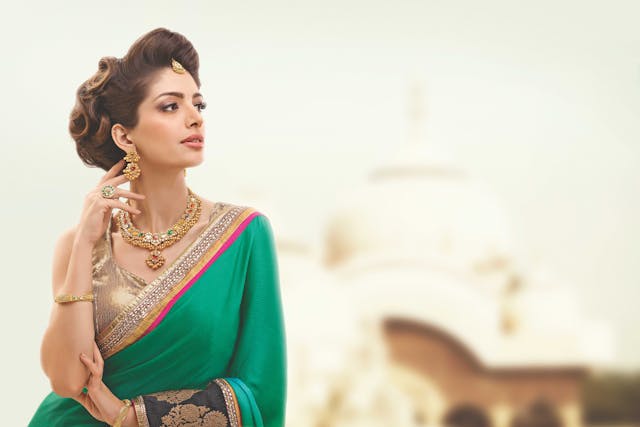
Designer Sarees Guide: Latest Trends, Fabrics, and Styling Tips
Sarees have always held a special place in the world of fashion. They are timeless garments that reflect tradition, elegance, and cultural heritage. Over the years, sarees have evolved significantly, adapting to modern tastes and global fashion influences. Among the many variations available today, designer sarees stand out for their creativity, craftsmanship, and contemporary appeal.
Designer sarees are crafted to combine traditional techniques with modern aesthetics. Fashion designers experiment with unique fabrics, innovative drapes, intricate embroidery, and stylish blouse designs to create sarees that suit today’s fashion-forward women. Whether worn at weddings, festivals, parties, or formal gatherings, designer sarees add a touch of sophistication and individuality to any occasion.
Unlike traditional sarees that often follow classic patterns and weaving styles, designer sarees offer endless possibilities. They feature bold color combinations, unique textures, fusion silhouettes, and modern embellishments. This versatility makes them highly desirable among women who want to express their personal style while still honoring traditional fashion.
With the growth of digital fashion platforms, shopping for sarees has become more convenient than ever. Women today prefer browsing different styles, fabrics, and price ranges online before making a purchase. Many fashion enthusiasts choose to Buy Designer Sarees Online because it allows them to access exclusive collections from designers and boutiques across the country without leaving their homes.
However, choosing the perfect designer saree requires understanding current trends, selecting the right fabric, and knowing how to style it effectively. In this guide, we will explore the latest designer saree trends, popular fabrics used in their creation, and practical styling tips that will help you achieve a stunning look.
The Evolution of Designer Sarees
The saree has existed for thousands of years and is considered one of the oldest forms of clothing still worn today. Traditionally, sarees were handcrafted by skilled artisans using techniques that were passed down through generations. Regions across India developed their own distinctive styles, such as Banarasi, Kanjivaram, Chanderi, Paithani, and Bandhani.
While these traditional sarees continue to remain popular, fashion designers began experimenting with saree designs in the late twentieth century. They started introducing modern fabrics, contemporary patterns, and new silhouettes that appealed to younger generations.
Designer sarees quickly gained popularity through fashion shows, Bollywood films, celebrity events, and bridal collections. Today, they are considered a symbol of luxury and elegance, often worn at high-profile events and weddings.
Modern designer sarees blend cultural craftsmanship with global fashion trends. They incorporate modern elements such as dramatic ruffles, structured drapes, metallic fabrics, and innovative blouse designs. This evolution has transformed the saree into a garment that is both traditional and fashion-forward.
Latest Trends in Designer Sarees
Fashion trends in sarees continue to evolve each year. Designers constantly introduce new styles that appeal to modern tastes while maintaining the essence of traditional attire. Below are some of the most popular trends in designer sarees today.
Pre-Draped Sarees
Pre-draped sarees have become extremely popular among modern women who prefer convenience and style. Unlike traditional sarees that require careful pleating and draping, pre-draped sarees come pre-stitched and ready to wear.
These sarees are perfect for women who want the elegance of a saree without spending time on complicated draping techniques. They are especially popular for cocktail parties, receptions, and fashion events.
Designers often pair pre-draped sarees with stylish blouses such as corset tops, halter neck blouses, or cape-style jackets. This fusion of traditional and western elements creates a bold and contemporary look.
Ruffle Sarees
Ruffle sarees have become a major fashion trend in recent years. These sarees feature layered frills along the border or pallu, creating a dramatic and playful appearance.
Ruffle sarees are commonly made from lightweight fabrics like chiffon or georgette. The cascading layers add volume and movement, making them ideal for festive occasions and wedding celebrations.
Pastel shades such as blush pink, mint green, lavender, and powder blue are particularly popular in ruffle saree designs. These colors enhance the soft and feminine aesthetic of the garment.
Metallic and Sequin Sarees
For glamorous evening events, metallic and sequin sarees have become a favorite choice. These sarees feature shimmering fabrics or intricate sequin embroidery that reflects light beautifully.
Metallic sarees are often seen in shades of gold, silver, bronze, and champagne. They create a luxurious and sophisticated look that is perfect for receptions, red carpet events, and formal celebrations.
Designers usually keep the blouse simple when the saree itself is heavily embellished. This balance helps maintain elegance without making the outfit appear overly flashy.
Belted Sarees
Belted sarees are another popular trend that combines traditional draping with modern styling. A decorative belt or kamarband is worn around the waist to secure the saree and highlight the silhouette.
The belt adds structure to the saree while also enhancing the overall outfit. It can be metallic, embroidered, leather-based, or embellished with stones.
Belted sarees work well for both traditional and contemporary looks. They are often seen at weddings, fashion shows, and celebrity events.
Popular Fabrics Used in Designer Sarees
The fabric of a saree plays an important role in determining its overall appearance, comfort, and suitability for different occasions. Designer sarees are created using a wide range of luxurious and lightweight materials.
Silk
Silk is one of the most luxurious fabrics used for designer sarees. It has a rich texture, natural sheen, and excellent durability.
Silk sarees are often associated with weddings and grand celebrations because they offer a regal and sophisticated look. Designers frequently use intricate zari work, embroidery, and traditional motifs on silk sarees to enhance their beauty.
Popular silk varieties include Banarasi silk, Kanjivaram silk, Tussar silk, and raw silk. Each type has its own distinctive texture and weaving style.
Georgette
Georgette is a lightweight and flowing fabric that is widely used in modern designer sarees. It drapes beautifully and is extremely comfortable to wear for long hours.
This fabric is perfect for sarees that feature embroidery, sequins, or beadwork. Its slightly textured surface helps embellishments stand out while maintaining a graceful appearance.
Georgette sarees are often chosen for parties, receptions, and festive events because they provide both elegance and ease of movement.
Chiffon
Chiffon is another lightweight fabric that is known for its soft and delicate texture. It creates a smooth and elegant drape, making it a favorite among designers.
Chiffon sarees are ideal for summer events and casual celebrations because they are breathable and easy to carry. Designers often use pastel shades, floral prints, and minimal embroidery on chiffon sarees to maintain a soft and sophisticated look.
Organza
Organza sarees have gained tremendous popularity in recent years. This fabric is slightly stiff and sheer, giving the saree a structured yet elegant appearance.
Organza sarees are commonly decorated with floral embroidery, digital prints, or hand-painted designs. They are perfect for daytime events, festive gatherings, and modern bridal looks.
The lightweight nature of organza makes it comfortable while still offering a luxurious aesthetic.
Styling Tips for Designer Sarees
Wearing a designer saree is not just about the garment itself. The way you style it plays a crucial role in enhancing the overall appearance. Here are some essential styling tips to help you achieve a polished and fashionable look.
Choose the Right Blouse
The blouse is an important component of any saree outfit. A well-designed blouse can completely transform the appearance of a saree.
Modern blouse styles include off-shoulder blouses, halter neck blouses, cape-style blouses, and jacket blouses. These designs add a contemporary touch while maintaining elegance.
When selecting a blouse, consider the fabric and embellishment of the saree. A heavily embroidered saree pairs best with a simple blouse, while a minimalist saree can be styled with a statement blouse.
Accessorize Thoughtfully
Accessories should complement the saree rather than overpower it. Statement jewelry pieces such as chandelier earrings, chokers, and bangles can enhance the look.
Clutch bags and embellished potli bags are popular accessories that work beautifully with designer sarees. If the saree is heavily decorated, it is best to keep accessories minimal for a balanced appearance.
Experiment with Draping Styles
Traditional draping is always elegant, but experimenting with new draping styles can make your outfit more interesting.
Some popular draping styles include the mermaid drape, pant-style drape, Gujarati drape, and lehenga-style drape. Each style creates a unique silhouette and can highlight different aspects of the saree.
Select the Right Footwear
Footwear plays an important role in completing the saree look. High heels help enhance posture and allow the saree to fall gracefully.
Metallic sandals, embellished heels, and traditional juttis are popular choices. Comfort is also important, especially for events that last several hours.
Pay Attention to Hair and Makeup
Hair and makeup should complement the saree rather than distract from it. Soft curls, sleek buns, and braided hairstyles work beautifully with sarees.
For makeup, choose a style that suits the occasion. Natural makeup works well for daytime events, while bold eye makeup or deep lip colors are ideal for evening functions.
How to Choose the Perfect Designer Saree
Selecting the right designer saree involves several factors. Considering these elements can help you find a saree that looks flattering and suits the occasion.
First, think about the occasion. Weddings and formal ceremonies often require richly embroidered sarees, while parties and casual gatherings are better suited for lightweight fabrics.
Second, consider your body type. Certain fabrics like georgette and chiffon create a slimming effect, while silk adds structure and volume.
Third, pay attention to color selection. Jewel tones, pastel shades, and metallic colors are currently trending in designer sarees.
Finally, prioritize comfort. Even the most beautiful saree may not feel enjoyable to wear if the fabric is uncomfortable or difficult to drape.
The Future of Designer Sarees
The world of fashion continues to evolve, and designer sarees are constantly being reinvented. Designers are now focusing on sustainability, innovative fabrics, and fusion styles that appeal to global audiences.
Eco-friendly fabrics, handcrafted embroidery, and digital prints are becoming increasingly popular. Many designers are also creating Indo-western saree styles that combine traditional draping with modern silhouettes.
As fashion becomes more inclusive and global, the saree continues to gain recognition as one of the most elegant and versatile garments in the world.
Final Thoughts
Designer sarees represent the perfect blend of tradition and modern fashion. They allow women to celebrate cultural heritage while embracing contemporary style.
With so many trends, fabrics, and styling options available, designer sarees offer endless possibilities for creating unique and memorable looks. Whether worn at weddings, festive celebrations, or elegant evening events, a well-chosen designer saree can instantly elevate your appearance.
By understanding current trends, choosing the right fabric, and styling your saree thoughtfully, you can confidently wear designer sarees and showcase timeless elegance with a modern twist.